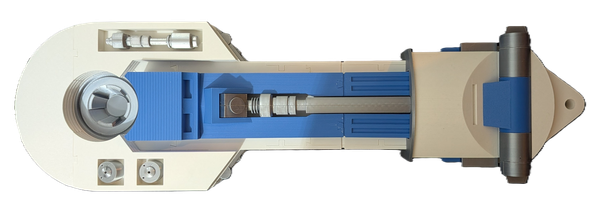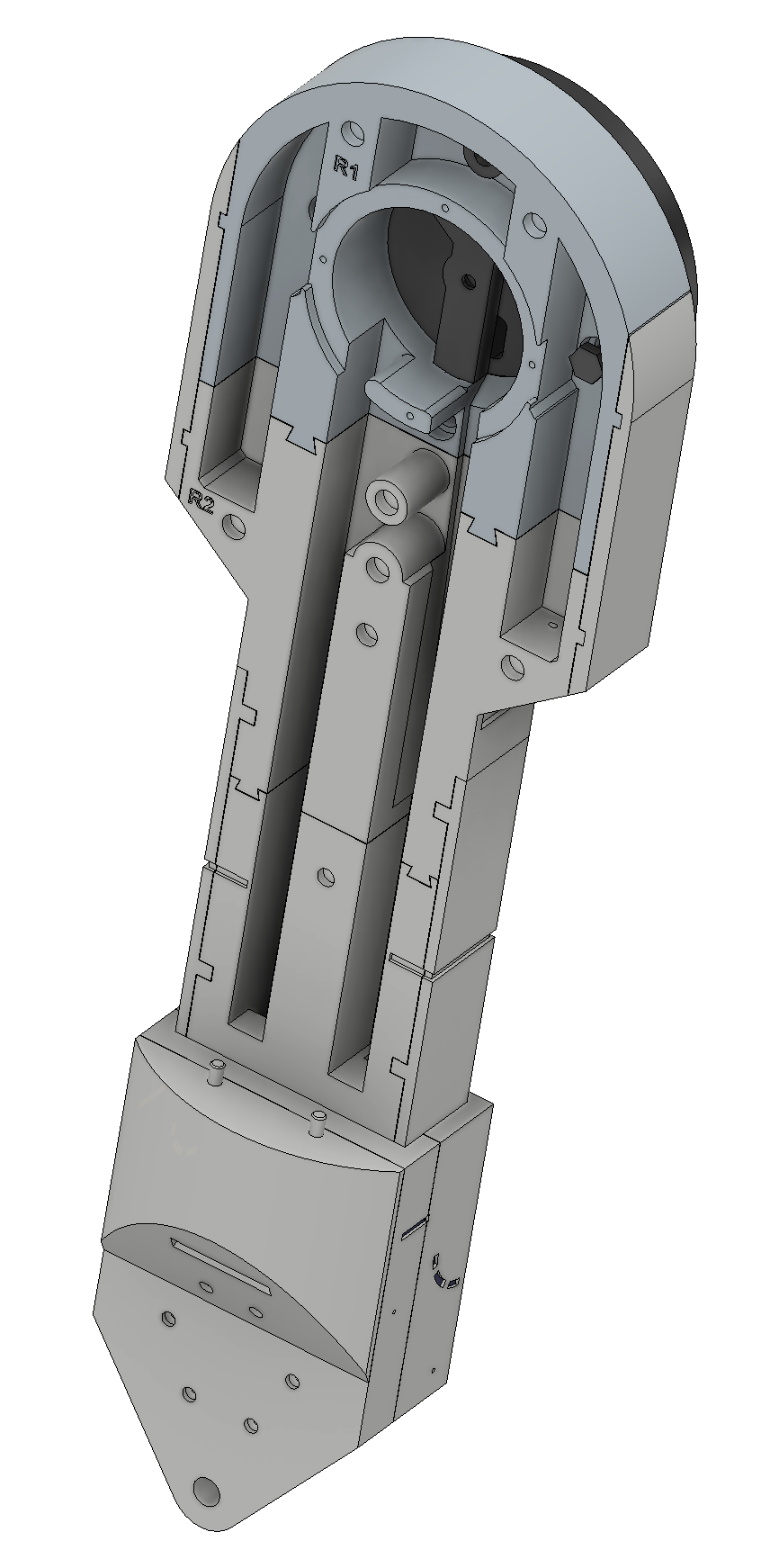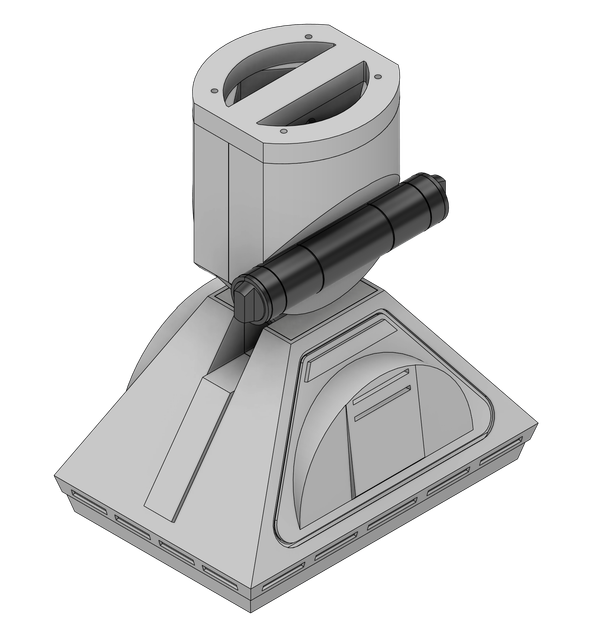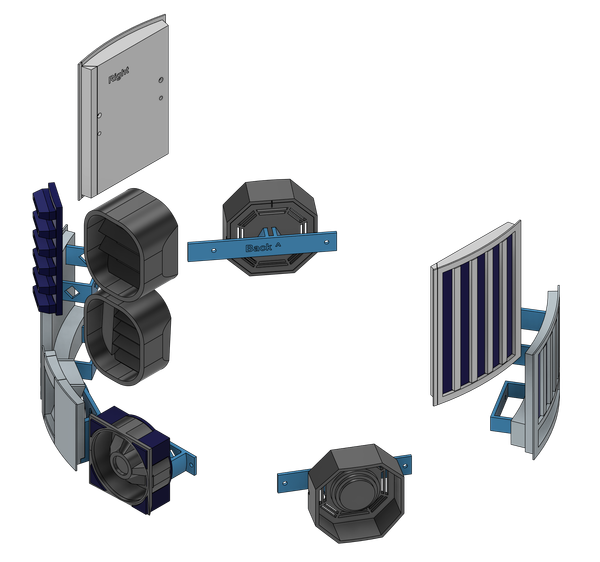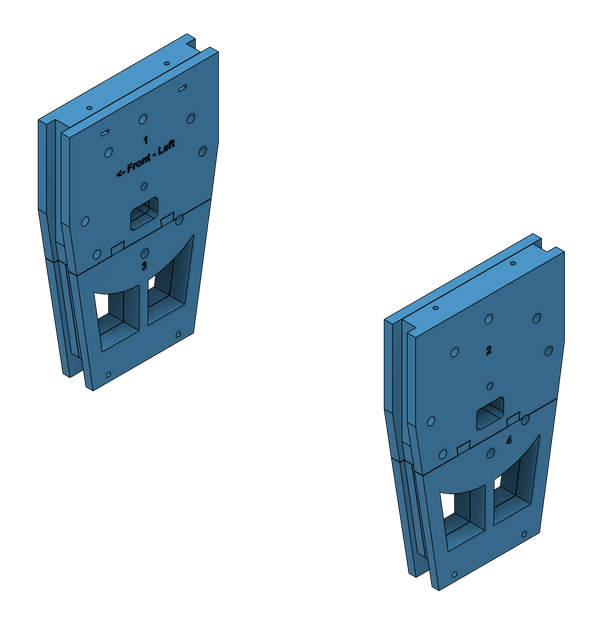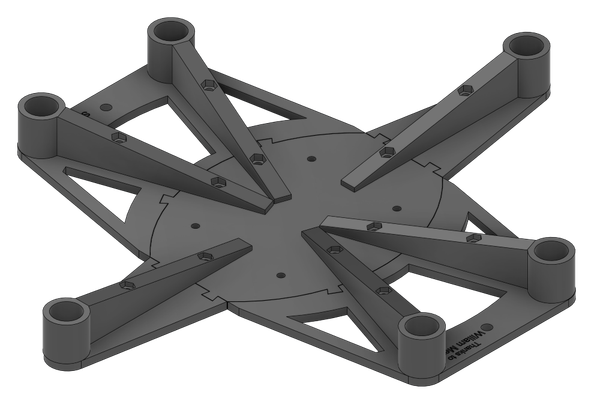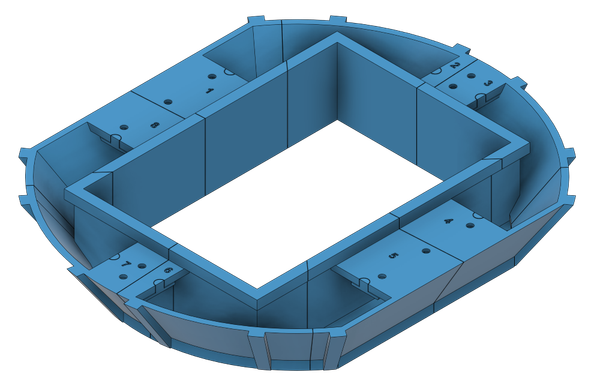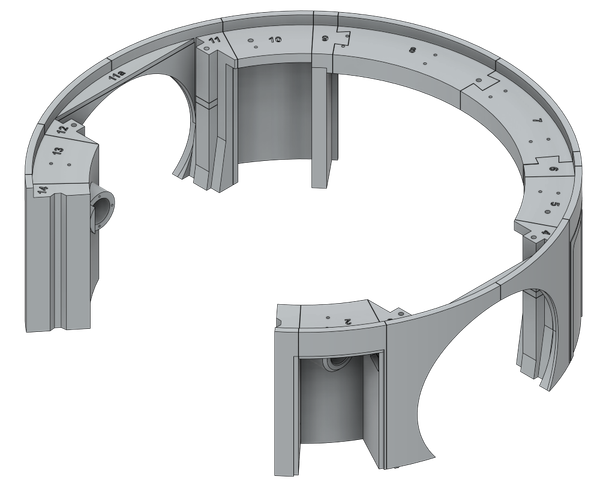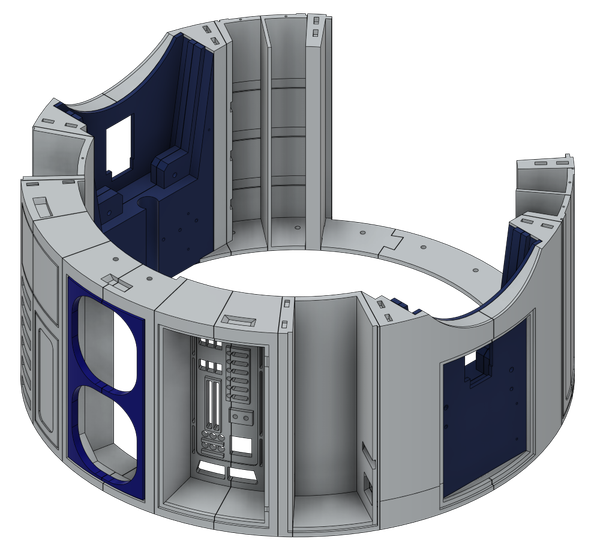
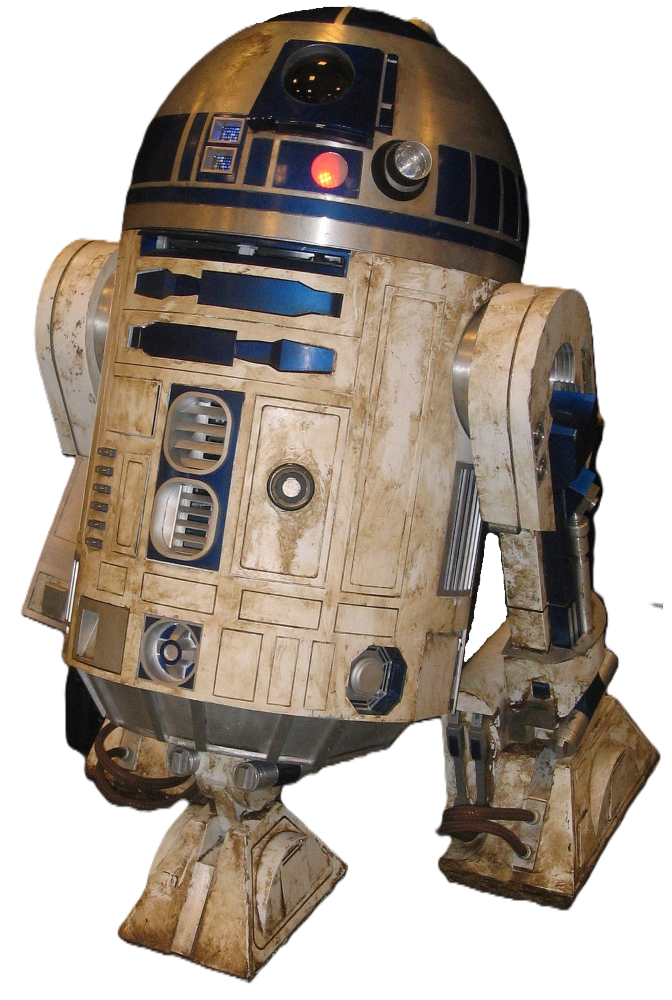
3D Prints Featured R2-D2 Full Size A full-size R3D3 3D print project coming to life layer by layer. Starting with the base structure, each part is carefully printed and prepared for assembly as this life-size droid moves from digital model to physical build.
3D Prints R2-D2 Part 12: Greebles The R2-D2 body is finally completed with the addition of all the greebles. From coin slots and power couplers to vents and grilles, I cover the printing, colour choices, assembly, and installation that transformed the body into a recognisable R2-D2.
3D Prints R2-D2 Part 11: Rear Panel Building the removable rear panel for my full-size 3D printed R2-D2, including greebles, magnetic access hatch, locking mechanism, alignment challenges, and a few printing mistakes that were solved along the way.
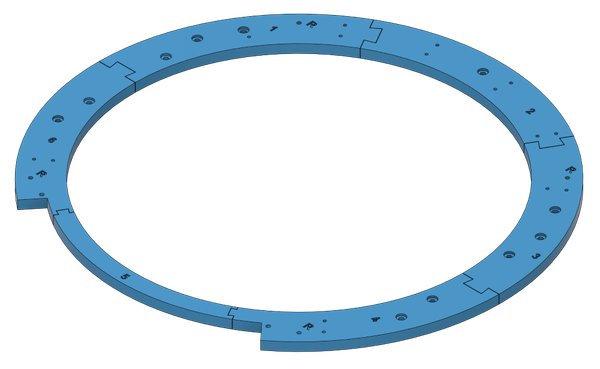
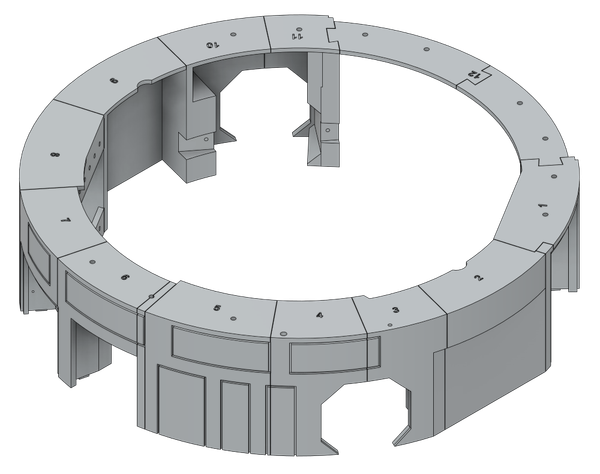
3D Prints R2-D2 Part 10: Top Ring The top ring was one of the simplest parts of my full-size 3D printed R2-D2 build. Six straightforward prints, a perfect fit using custom locating pins, and a look ahead at whether to fit a 450 mm Lazy Susan before starting the dome.
3D Prints R2-D2 Part 9: Doors and Hinges Printing and fitting the R2-D2 body doors proved more challenging than expected. From experimenting with print orientations to carefully aligning the hinges, this stage involved plenty of trial and error before achieving doors that opened, closed, and fitted correctly.
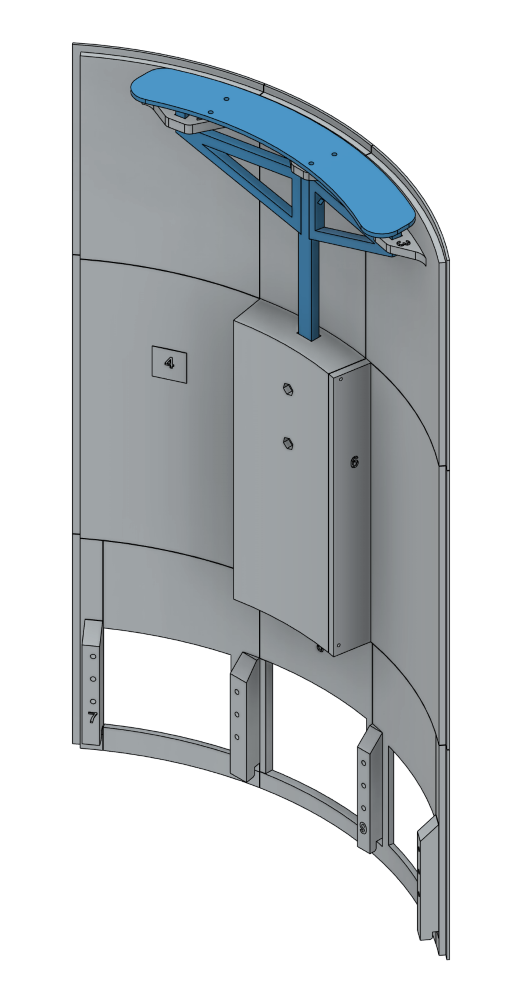
3D Prints R2-D2 Part 8: Utility Arm Frame The utility arm frame was a surprisingly straightforward part of the build. After printing, test fitting, and learning a few lessons about brims and glue, the completed assembly was fitted into the R2-D2 body, adding another detailed feature to the growing full-size droid.
3D Prints R2-D2 Part 7: Fixed Shoulders Part 7 of my full-size R2-D2 build focuses on the fixed shoulder assemblies. From printing and assembly to testing Bambu Lab PLA Silk+ Silver for the first time, this stage prepares the body for the future leg installation.
3D Prints R2-D2 Part 6: Centre Leg Support Building the modified Centre Leg Support tested both my printer and my patience. From missing files and print failures to filament shortages and final assembly, this hidden structural component proved far more challenging than expected.
3D Prints R2-D2 Part 5: Skirt Printing and assembling the R2-D2 skirt proved easier than expected once the correct print orientation was found. Filament alignment pins finally worked as intended, the skirt assembled perfectly, and the base ring fitted beautifully.
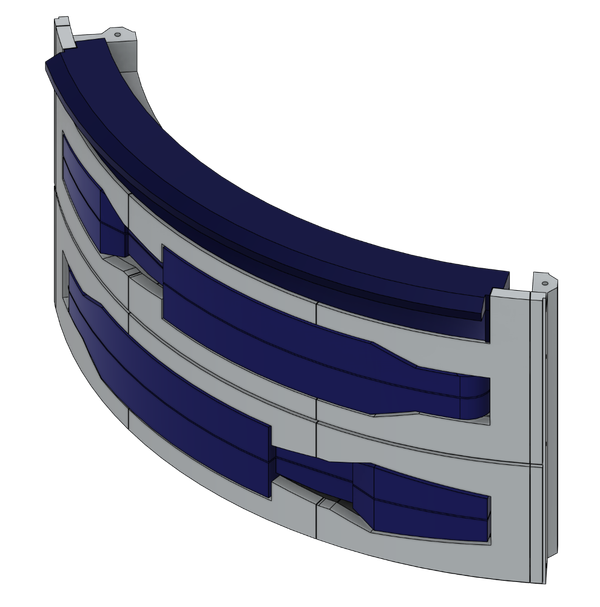
3D Prints R2-D2 Part 4: Ring 3 Ring 3 completed the main body frame of my full-size 3D printed R2-D2. Before moving on to the skirt, curiosity got the better of me and I printed the first blue vent panel. Seeing that splash of colour for the first time was a real milestone in the build.
3D Prints R2-D2 Part 3: Ring 2 Ring 2 of my full-size R2-D2 build brought warped parts, filament jams, hinge assemblies, missing files, and careful gluing — but after plenty of problem-solving, the body section finally came together almost perfectly.
3D Prints R2-D2 Part 2: Ring 1 Building Ring 1 of my full-size R2-D2 brought more supports, failed prints, alignment issues, and assembly challenges — but the project is finally starting to take shape.
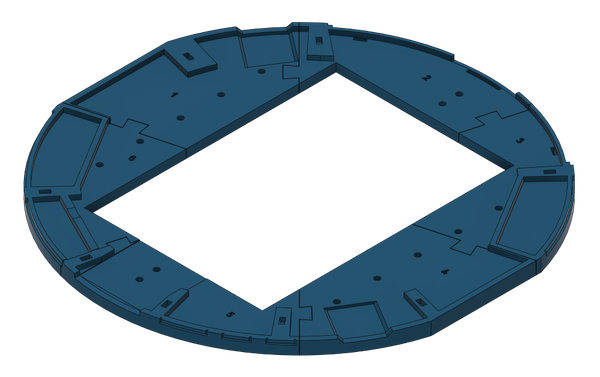
3D Prints R2-D2 Part 1: Base Ring The base ring was my starting point for the full-size R2-D2 build. Six large printed sections, failed prints, glue problems, reprints, and plenty of lessons learned along the way.
3D Prints Featured R2-D2 Full Size A full-size R3D3 3D print project coming to life layer by layer. Starting with the base structure, each part is carefully printed and prepared for assembly as this life-size droid moves from digital model to physical build.
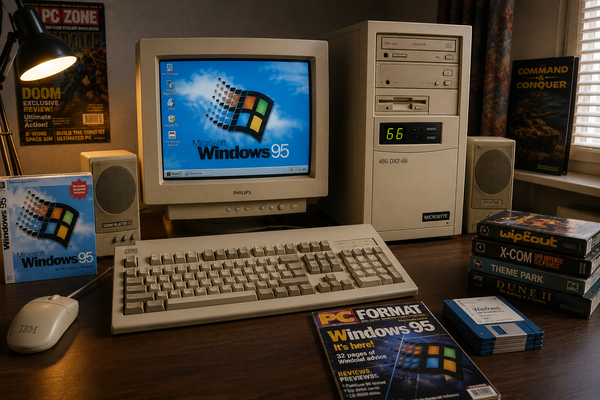
Computers My First PC and the Windows 95 Years Buying my first PC in the mid-1990s opened the door to Windows 3.11, Windows 95, PC gaming, hardware upgrades and troubleshooting. From a 486DX2-66 to Pentium upgrades, it was the start of a lifelong fascination with computers.
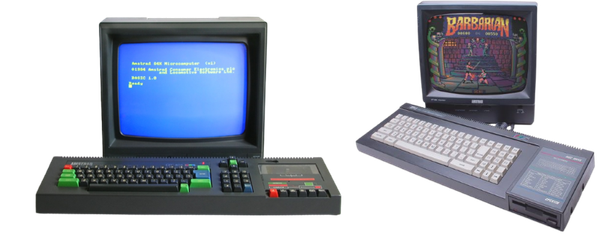
Computers Amstrad CPC464 and CPC6128 After being made redundant in 1984, I treated myself to an Amstrad CPC464 complete with colour monitor. Later upgrading to the CPC6128, the computer became more than a games machine, helping me write job applications and earn a City & Guilds qualification.
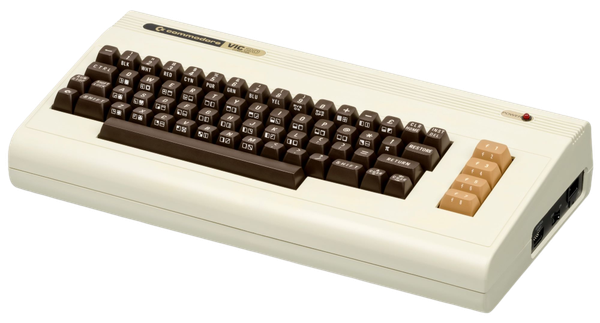
Computers Commodore VIC-20 The Commodore VIC-20 was my first Commodore computer. Bought when prices fell in the early 1980s, it introduced me to cartridge games, BASIC programming and the rare VC-1020 expansion case that transformed the modest VIC-20 into a surprisingly expandable home computer.
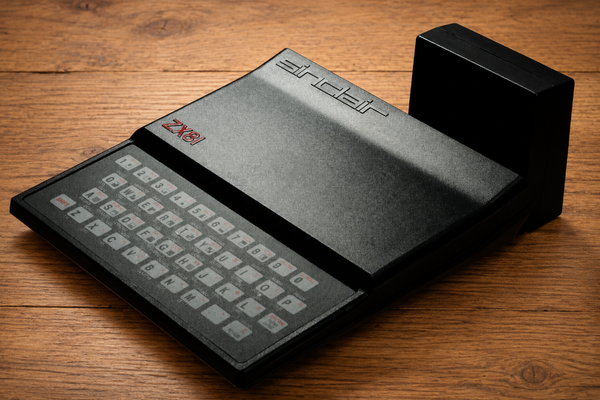
Computers Sinclair ZX81 After upgrading from the ZX80, the Sinclair ZX81 became my gateway into home computing. With its improved display, famous 16K RAM Pack and cassette-loaded software, it offered a far better experience—along with plenty of frustration when programs refused to load.
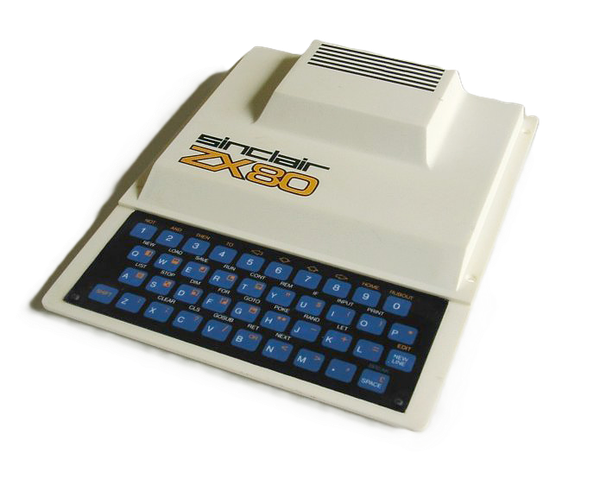
Computers Sinclair ZX80 A magazine advert for the Sinclair ZX80 promised a real home computer for under £100. After weeks of waiting, it arrived and introduced me to BASIC programming, cassette storage and the frustration of debugging endless typing mistakes.
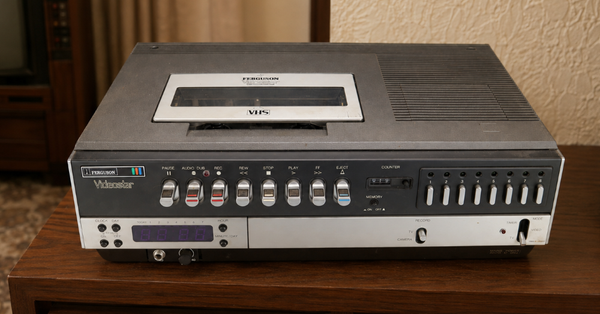
Audio Visual My First Video Recorder In early 1980, I rented my first video recorder: a Ferguson Videostar 3V00. From recording Tiswas and The Italian Job to mastering its timer, VHS transformed how I watched television and seemed almost magical.
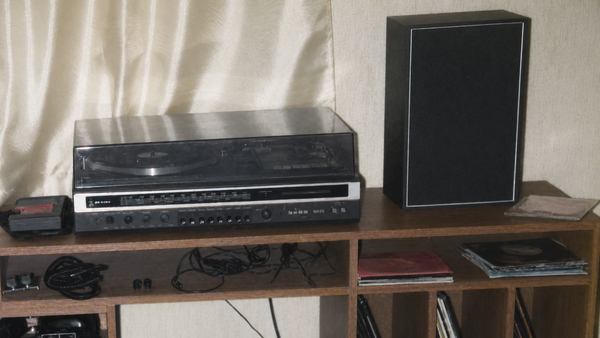
1980s Alba Music Centre Buying an Alba music centre through my auntie’s mail-order catalogue gave me my first real taste of musical independence and began a lifelong appreciation of vinyl.
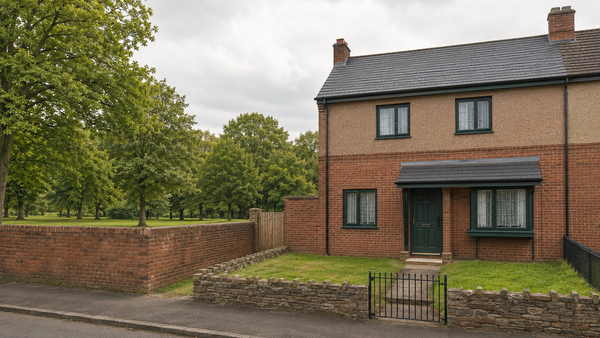
1980s 1979 to Today: A New Home and a Growing Love of Technology Moving into the house where I still live today marked a new chapter in my technology story. Beginning with an Alba music centre and a growing record collection, my interest soon expanded into VHS, computers, televisions and home cinema.
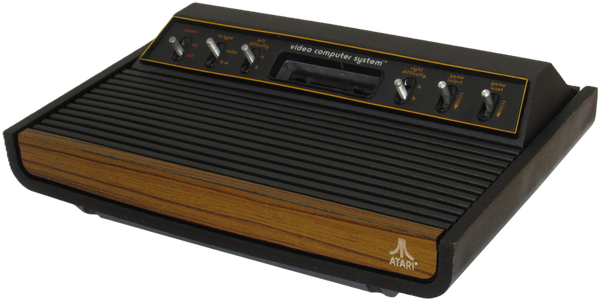
Game Consoles Atari Video Computer System In 1979 I finally bought an Atari Video Computer System after years of admiring it from magazine adverts. With Combat, Space Invaders and Asteroids, it transformed home gaming and became the last console I would own for decades.
Game Consoles Videomaster Star Chess The Videomaster Star Chess looked like the ultimate blend of chess and space combat. After weeks of saving, I finally bought one, only to discover that the futuristic battles promised in the adverts were much slower and less exciting than I had imagined.
Photography My Second Camera In the late 1970s I bought my second camera, a Kodak 110 model with a folding handle and dual-lens system. It captured family events, holidays and special occasions, although many of the prints and negatives have since been lost to time.
My Tech Story 1978–1979 Grandparents House In 1978–1979 I moved into my grandparents’ house with little more than a 12" black and white TV and a cassette recorder. Surrounded by radiograms, portable radios, BBC broadcasts, and old sing-along records, I slowly discovered a love of radio and unexpected nostalgia.