
Commodore VIC-20
The Commodore VIC-20 was my first Commodore computer. Bought when prices fell in the early 1980s, it introduced me to cartridge games, BASIC programming and the rare VC-1020 expansion case that transformed the modest VIC-20 into a surprisingly expandable home computer.

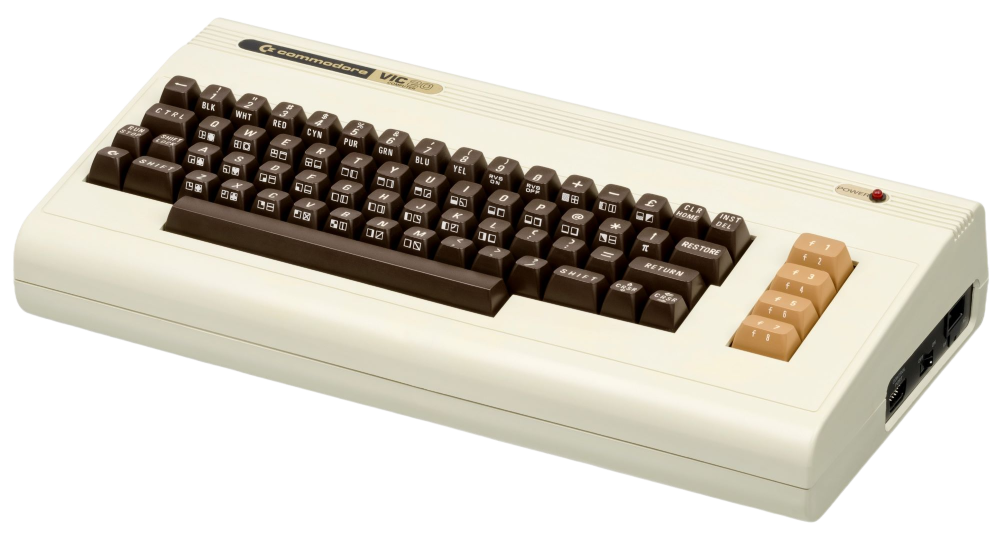
When people think of Commodore computers, the machine that usually comes to mind is the legendary Commodore 64. Before that success story, however, there was another machine that introduced thousands of people to home computing: the Commodore VIC-20.
Released in 1980 in Japan and arriving in the UK shortly afterwards, the VIC-20 was one of the first affordable colour home computers aimed at ordinary families rather than hobbyists. Commodore marketed it heavily as "The Friendly Computer", and for many people it became their first experience of owning a computer.
The VIC-20 achieved a number of milestones. It was the first computer to sell more than one million units and became one of the most successful home computers of the early 1980s. Commodore's aggressive pricing and widespread advertising helped turn what had once been a specialist hobby into something that ordinary households could consider buying.
Technical Specifications
Although impressive for its time, the VIC-20 was quite modest by modern standards.
- MOS Technology 6502 processor running at approximately 1.02 MHz
- 5 KB RAM (around 3.5 KB available to BASIC)
- 20-column by 23-line colour display
- 176 × 184 graphics resolution
- Three-voice sound generator plus noise channel
- Built-in Commodore BASIC V2
- Cartridge expansion support
- Cassette and floppy disk storage options
- Joystick support
The machine's greatest limitation was memory. With only a few kilobytes available, many programs quickly ran out of space. This led to memory expansion cartridges becoming some of the most popular accessories available.
Connections and Expansion
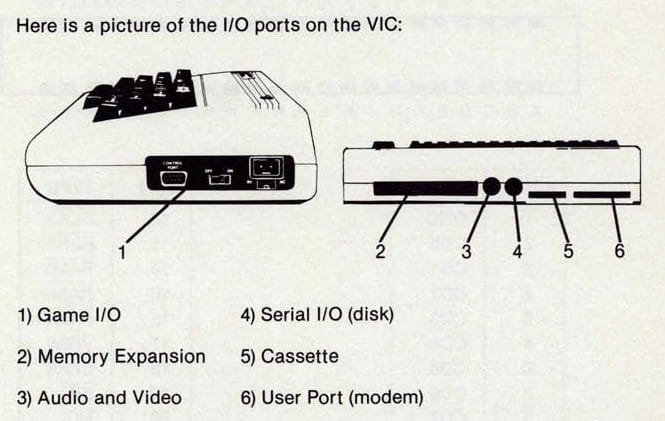
One thing Commodore did particularly well was making the VIC-20 expandable. The rear and side connections allowed owners to connect a wide variety of peripherals.
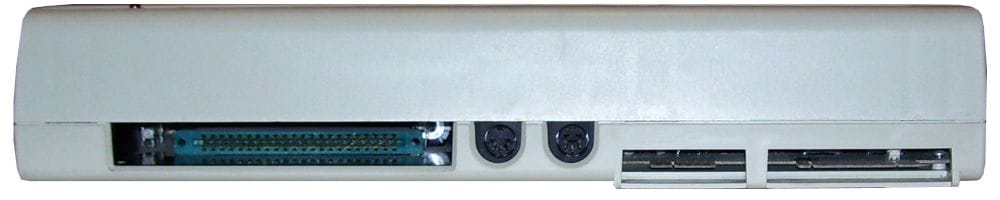
Game I/O Port
Used for joysticks, paddles, light pens and other gaming accessories.
Cartridge Expansion Port
Accepted ROM cartridges containing games, educational software and memory expansions.
Audio and Video Output
Connected directly to a monitor or television through an RF modulator.
Serial Port
Used for peripherals such as the VIC-1540 and later VIC-1541 floppy disk drives, as well as Commodore printers.
Cassette Port
Connected to the Commodore Datasette cassette recorder for loading and saving programs.
User Port
Used for modems, interfaces, reset switches and numerous hobbyist projects.
This expandability was one of the VIC-20's biggest strengths and helped it remain useful long after its basic specification began to show its age.
Seeing the Advertisements
I don't really know what made me decide to buy a VIC-20. By the time I was looking seriously at home computers, the Commodore 64 already existed and was clearly the more capable machine.
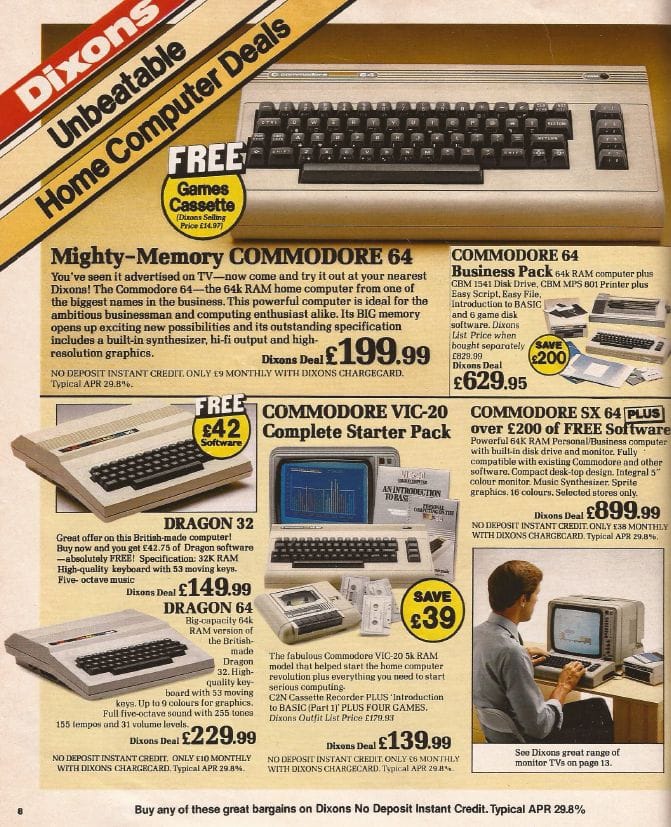
When first released, the VIC-20 cost around £300, far beyond what I could afford. However, Commodore was famous for cutting prices, and by 1982 and 1983 the machine was appearing in magazine adverts for well under £200. Some bundles included software and peripherals, making it an attractive package for anyone wanting their first computer.
I remember seeing adverts showing complete systems for around £140, and I suspect that was roughly what I paid for mine. At that price it suddenly became affordable.
The bundle included the VIC-20 itself and the matching Commodore cassette recorder, giving me everything I needed to start loading programs and games.
Living with the VIC-20
Once I had it set up, I used the VIC-20 almost every day, although if I'm honest, I can't remember exactly what I spent all that time doing.
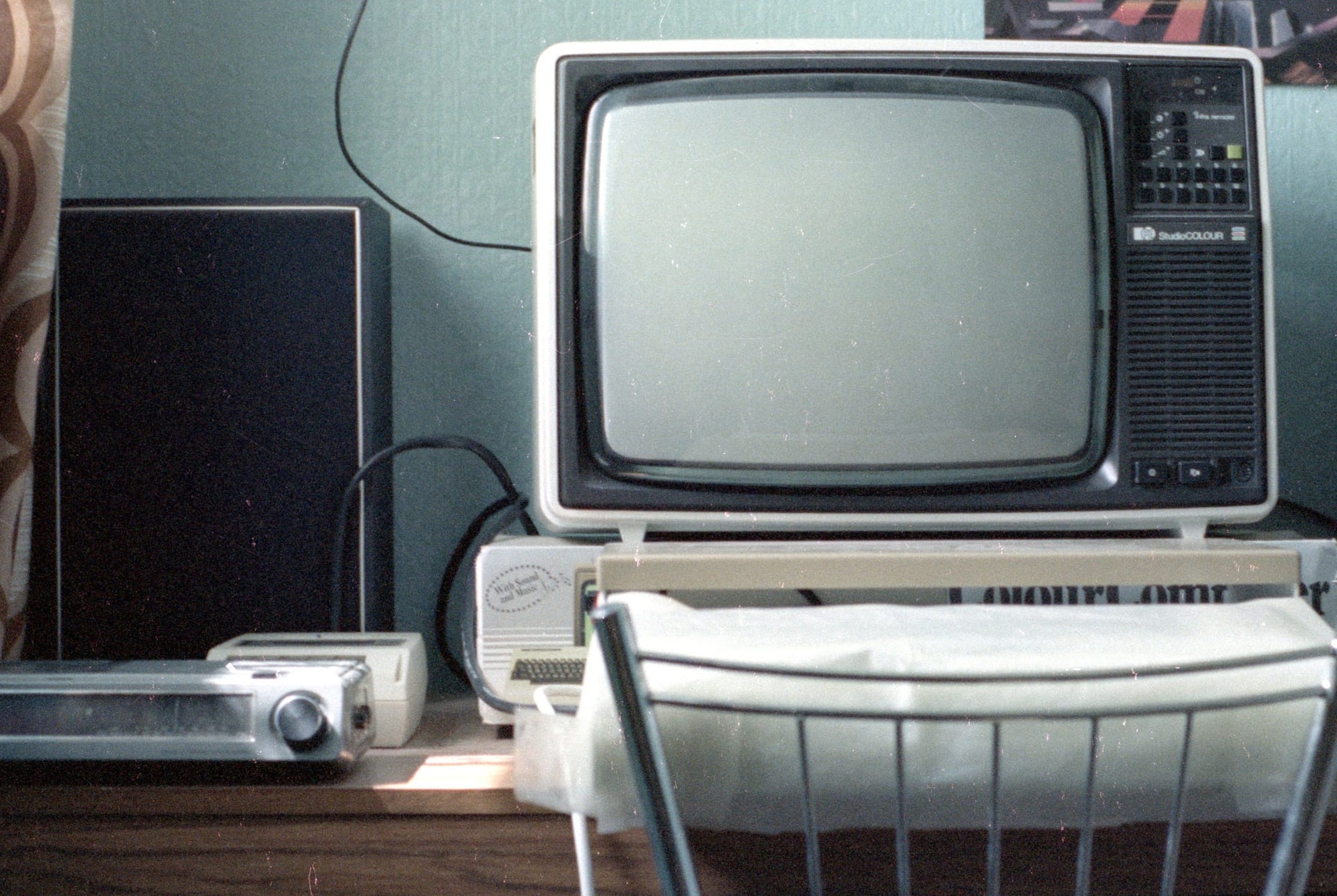
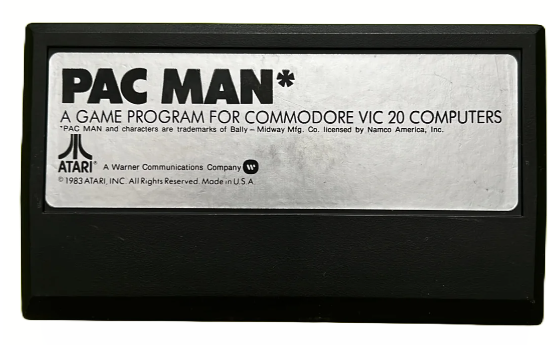
I certainly remember playing cartridge games. Pac-Man was one of the cartridges I owned, and I also had a 16 KB RAM expansion cartridge. There must have been others because I later bought a major expansion accessory specifically to allow several cartridges to be connected at once.
Like many owners, I experimented with BASIC programming, typing in listings from magazines and seeing what happened. Half the fun of computers in those days was simply exploring and trying things out.
The VIC-20 may have been limited, but it felt like a real computer. Unlike a games console, it encouraged you to learn, experiment and create.
The VC-1020 Expansion Case
One of the most impressive accessories I bought was the Commodore VC-1020 Expansion Case.
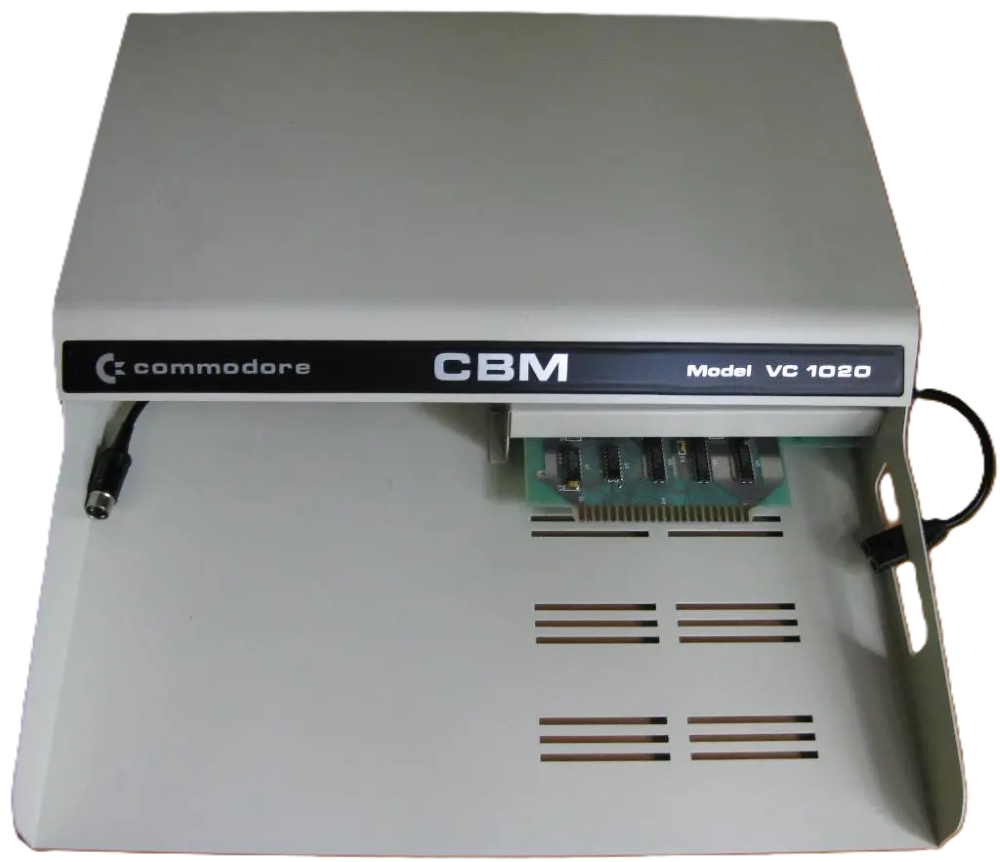
The VC-1020 connected to the expansion port at the back of the VIC-20 and provided five cartridge slots, allowing multiple cartridges and expansion devices to be connected simultaneously.
Without it, using more than one cartridge often meant swapping hardware around whenever you wanted to change from a memory expansion to a game. The VC-1020 solved that problem.
The unit itself was a substantial metal enclosure with a hinged lid. Opening the lid revealed the expansion slots and wiring, making it easy to add or remove cartridges.
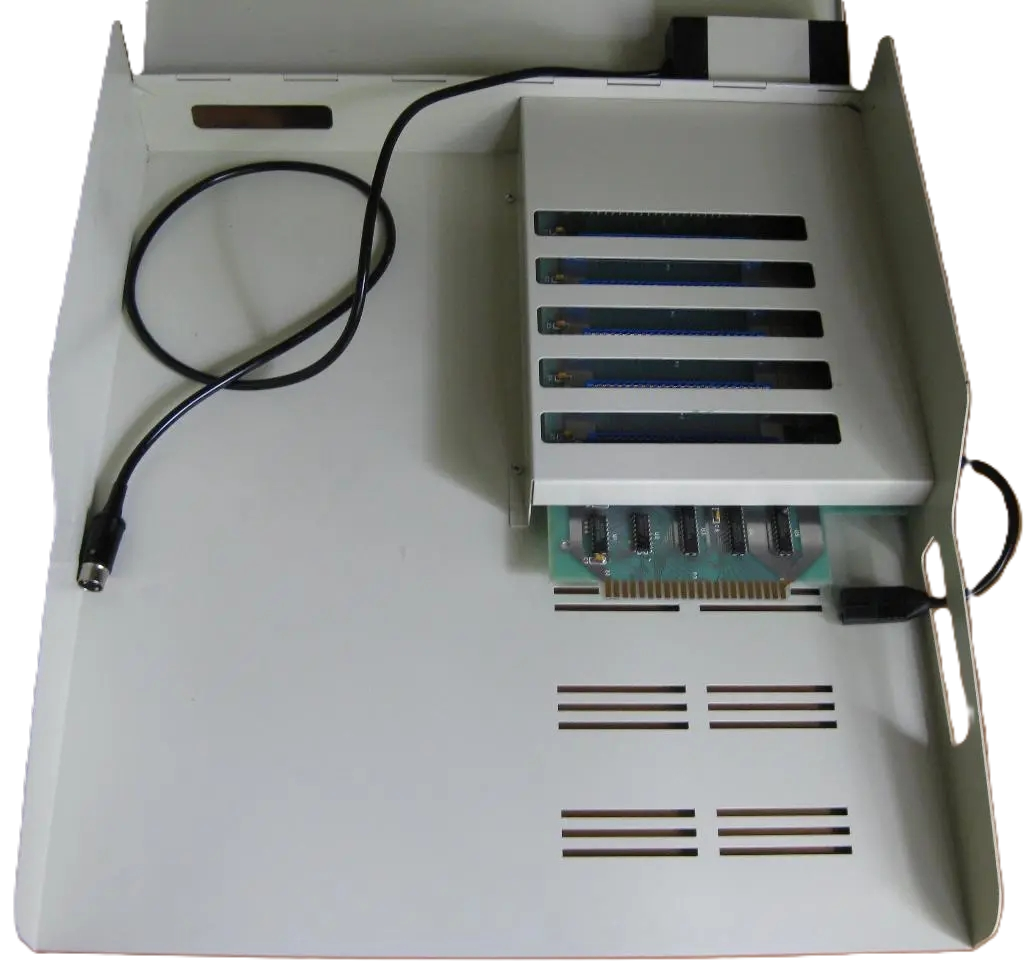
I remember thinking it was an impressive piece of engineering. The steel construction felt incredibly solid, and at one point I even considered using it as a stand for my 16-inch television.
That idea didn't last long.
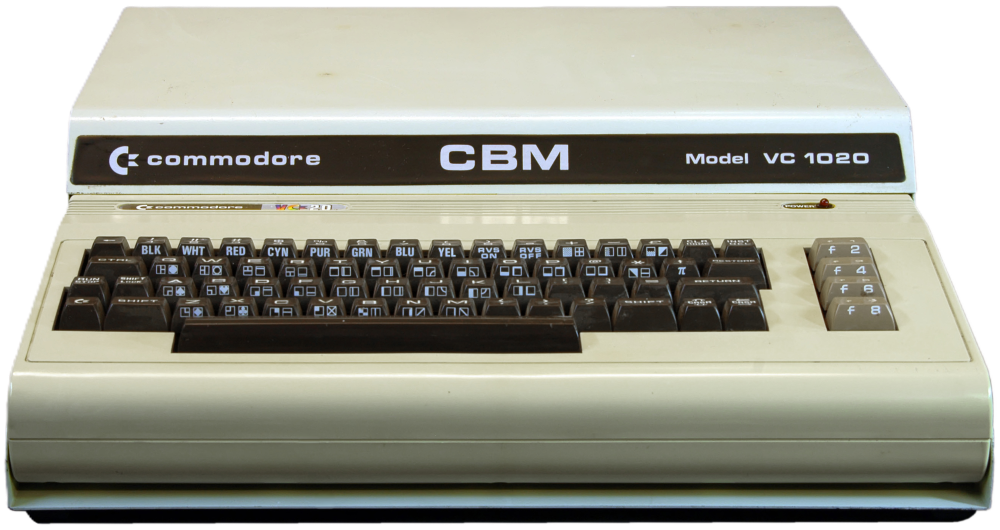
The television was far heavier than I was comfortable with, so instead I ended up using the original VIC-20 box as a stand. It was lighter, cheaper, and if it collapsed I wouldn't be destroying a relatively expensive expansion unit.
The End of My VIC-20
Like many of the computers and gadgets I owned during that period, I honestly don't remember what eventually happened to my VIC-20 setup.
Knowing me, I probably decided to open something up to see how it worked and then managed to break it in the process.
Looking back, I wish I had kept it. The VIC-20 itself remains a significant piece of computing history, but the VC-1020 expansion case is particularly sought after today because relatively few were sold compared with the computers themselves.
At the time it was simply another accessory sitting on my desk. Today it would be considered a rare and desirable collector's item.
Looking Back
The VIC-20 may not have been as powerful as the Commodore 64 that followed it, but it arrived at exactly the right moment in computing history. It brought colour computing into ordinary homes, introduced countless people to programming, and proved that home computers could be mass-market products.
For me, it was another step on a journey through the rapidly changing world of technology. It wasn't the most powerful computer I owned, nor the most memorable, but it was one of the machines that helped turn computing from something mysterious into something I could have sitting on a desk at home.