
Atari Video Computer System
In 1979 I finally bought an Atari Video Computer System after years of admiring it from magazine adverts. With Combat, Space Invaders and Asteroids, it transformed home gaming and became the last console I would own for decades.

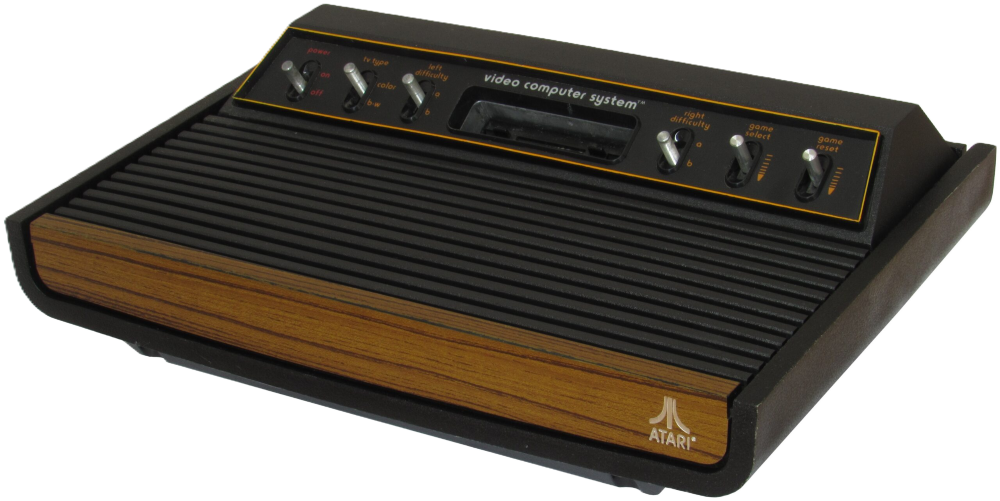
I was aware of the Atari system through my magazines and various adverts I saw, but it was very expensive and I just couldn't afford it at the time. And with the disappointment of the Videomaster chess system, I was reluctant to get another game console, but sometime in late 1979, with cash in my pocket, I ended up buying one.
And wow, it was good.
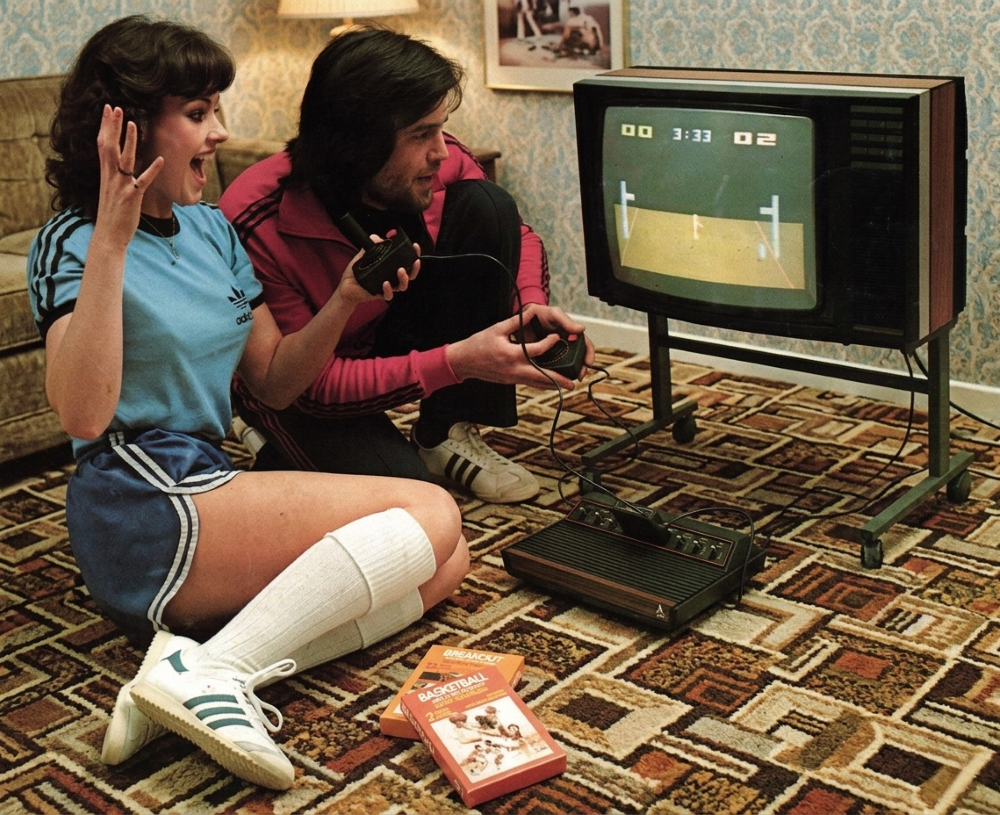
The setup was just like those that came before: plug in the mains lead, connect the output to the aerial socket of the TV via the supplied adapter so it wouldn't interfere with normal television broadcasts, retune the channel, plug in the console and away you go.
The console was light years ahead of everything that had come before it, and it's easy to see why it became so popular. Originally released in 1977, the Atari Video Computer System (later known as the Atari 2600) sold for around £150 in the UK, making it a serious purchase at the time. Inside was a MOS Technology 6507 processor running at just over 1 MHz, with a tiny 128 bytes of RAM. By modern standards those specifications are laughably small, but Atari's engineers managed to squeeze an amazing amount of gameplay from the hardware.
Unlike the earlier Pong-style consoles, which had a handful of games built into the machine, the Atari used interchangeable ROM cartridges. This meant the console itself stayed the same while new games could be purchased separately, greatly extending its life. The graphics could display colourful sprites, moving objects, sound effects and gameplay that was far more sophisticated than anything I had seen at home before.
Changing the cartridge was super easy: switch off, pull the cartridge out, push the new one in, switch on, and you were playing something completely different.
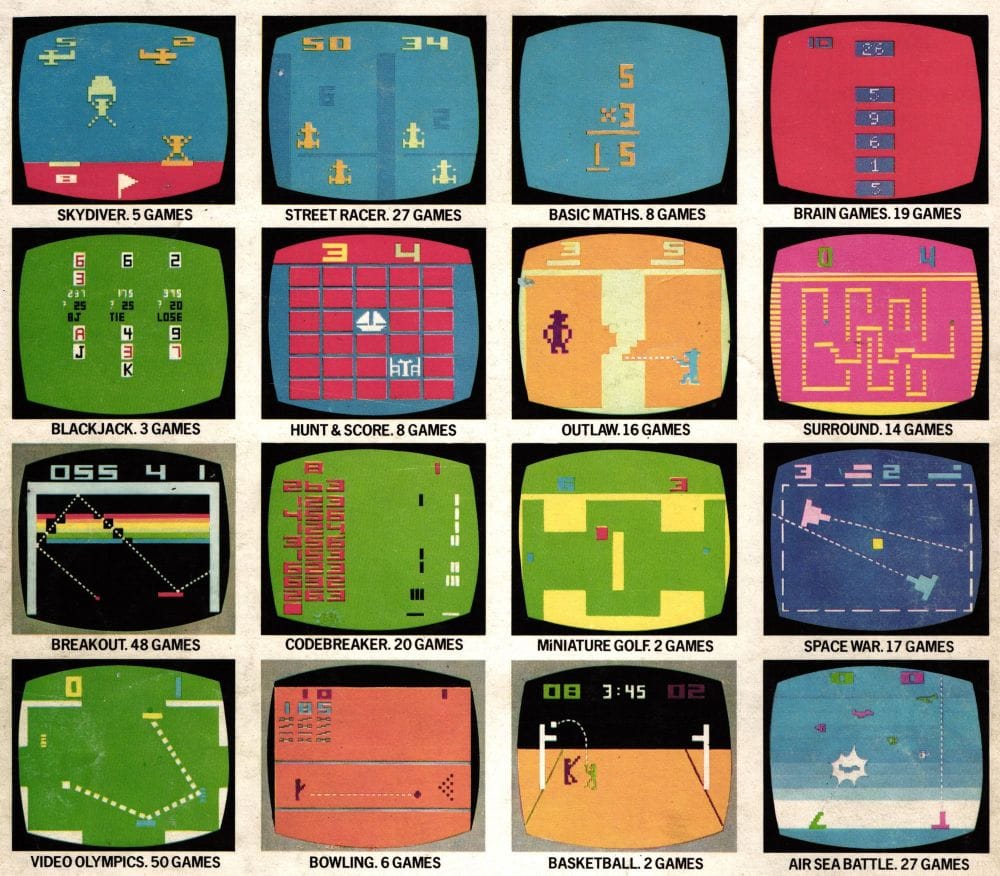
The machine came with two joystick controllers and also included a pair of paddle controllers for racing and bat-and-ball style games. The progress of gaming gadgets rapidly left the earlier Pong-type games far behind. Gone were the days of a game system with six built-in games; there were now dozens and eventually hundreds of cartridges available. Many cartridges contained numerous game variations, difficulty settings and player options, often offering between 10 and 50 different ways to play.
For a long time I only had the Combat cartridge that came with the system, but I played it to death. Combat featured tanks, biplanes and a surprising number of game variations, enough to keep me entertained for months. I also remember playing Space Invaders and Asteroids, both of which seemed incredibly advanced at the time, although I can't remember what other cartridges I owned.
What I do remember is family and friends wanting to play it whenever they visited. Unlike my earlier game consoles, which were really just electronic novelties, the Atari felt like something special. It was a machine that could keep growing with every new cartridge, and every new game seemed to bring something completely different.
I don't know exactly how long I owned the Atari, or what eventually happened to it, but it made a lasting impression on me. Looking back, it was the last games console I would own for a very long time. After the Atari left my life, there wouldn't be another console under my television for decades, and by the time there was, the world of gaming had changed beyond recognition.