
Philips B3G99U
A lifetime of memories in a single dial. Explore the history of my grandparents' Philips B3G99U valve radio and why I’ve chosen preservation over restoration.

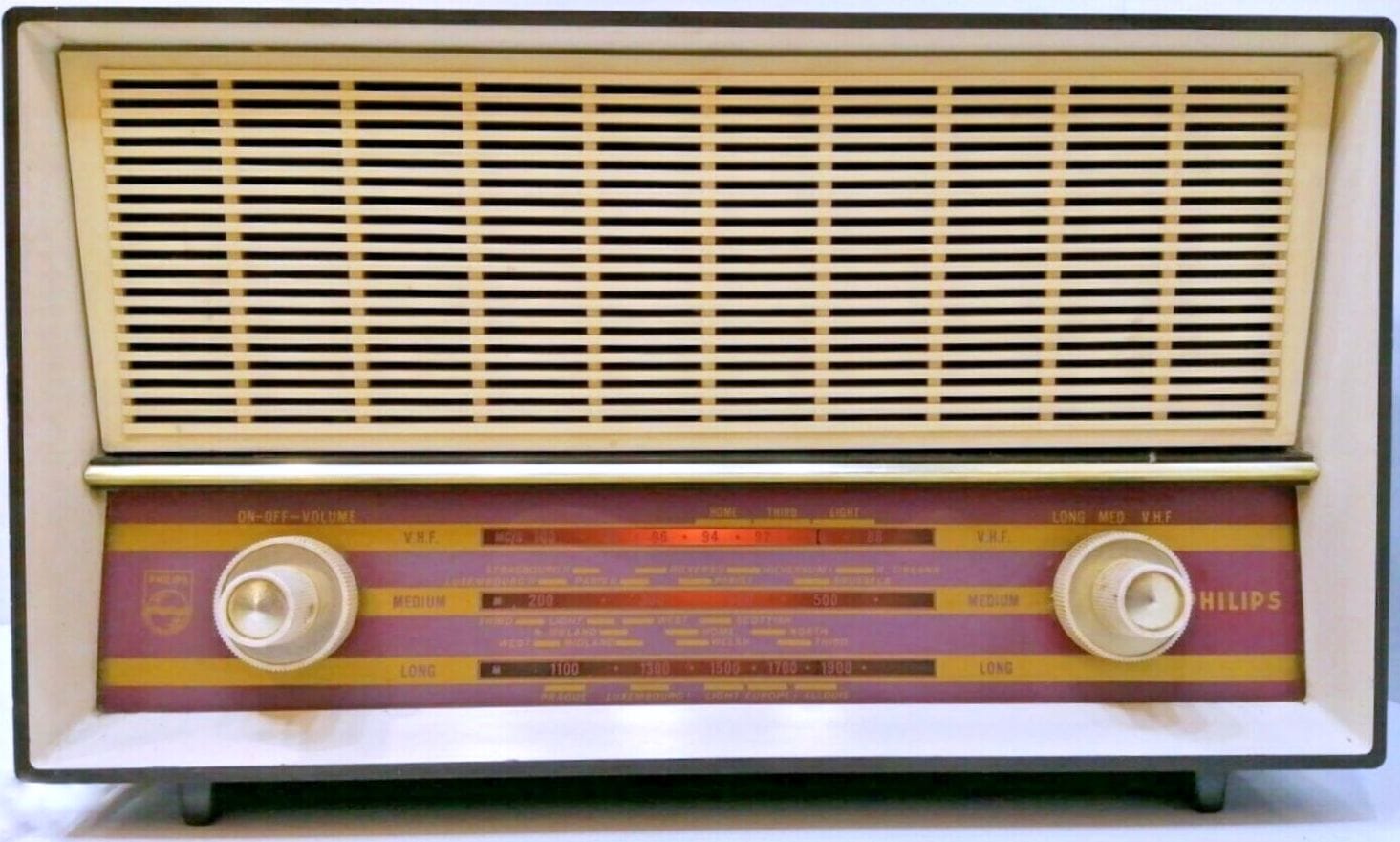
This valve radio always held a place of pride in my grandparents' living room. As a child, I spent countless hours at the dial, hunting for stations far beyond the BBC broadcasts they favoured. Between the Long, Medium, and VHF wavebands, there was a whole world of audio to explore. The radio was gifted to me in the late 1980s after my grandparents died, it remains in my possession and, remarkably, continues to function flawlessly.
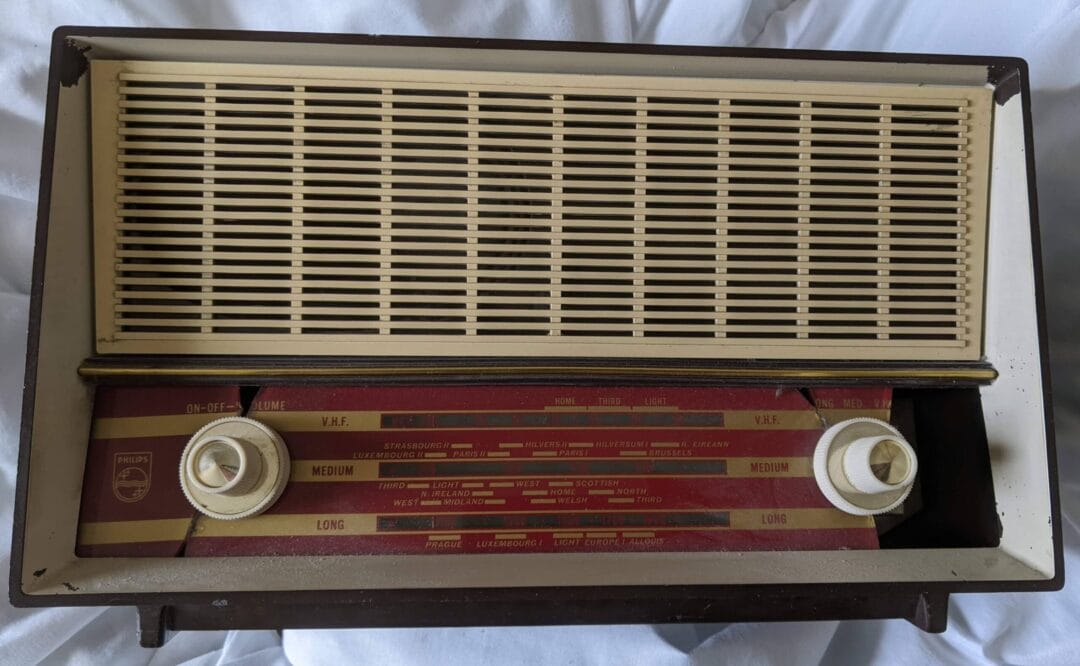
The front glass is currently broken, I remember it been broken when I was a child, it was taped together for years, I’ve safely tucked the larger missing piece inside the cabinet. While I’d love to replace the glass one day, the cracks themselves are part of its history—I distinctly remember them surrounding the dials even during my childhood.
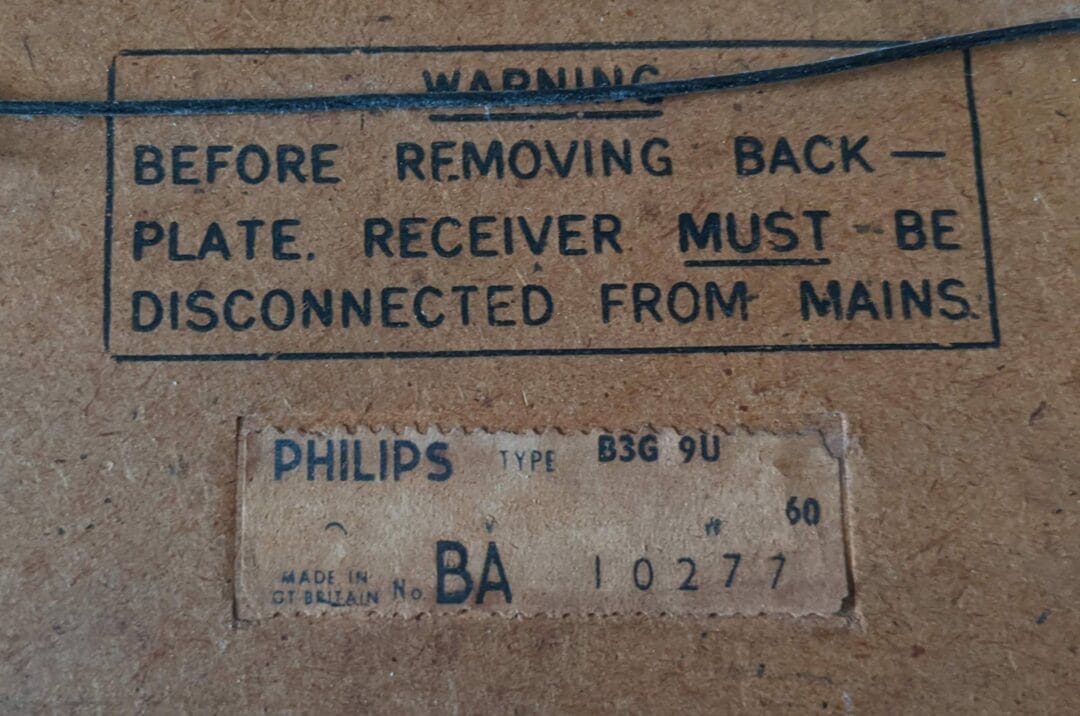
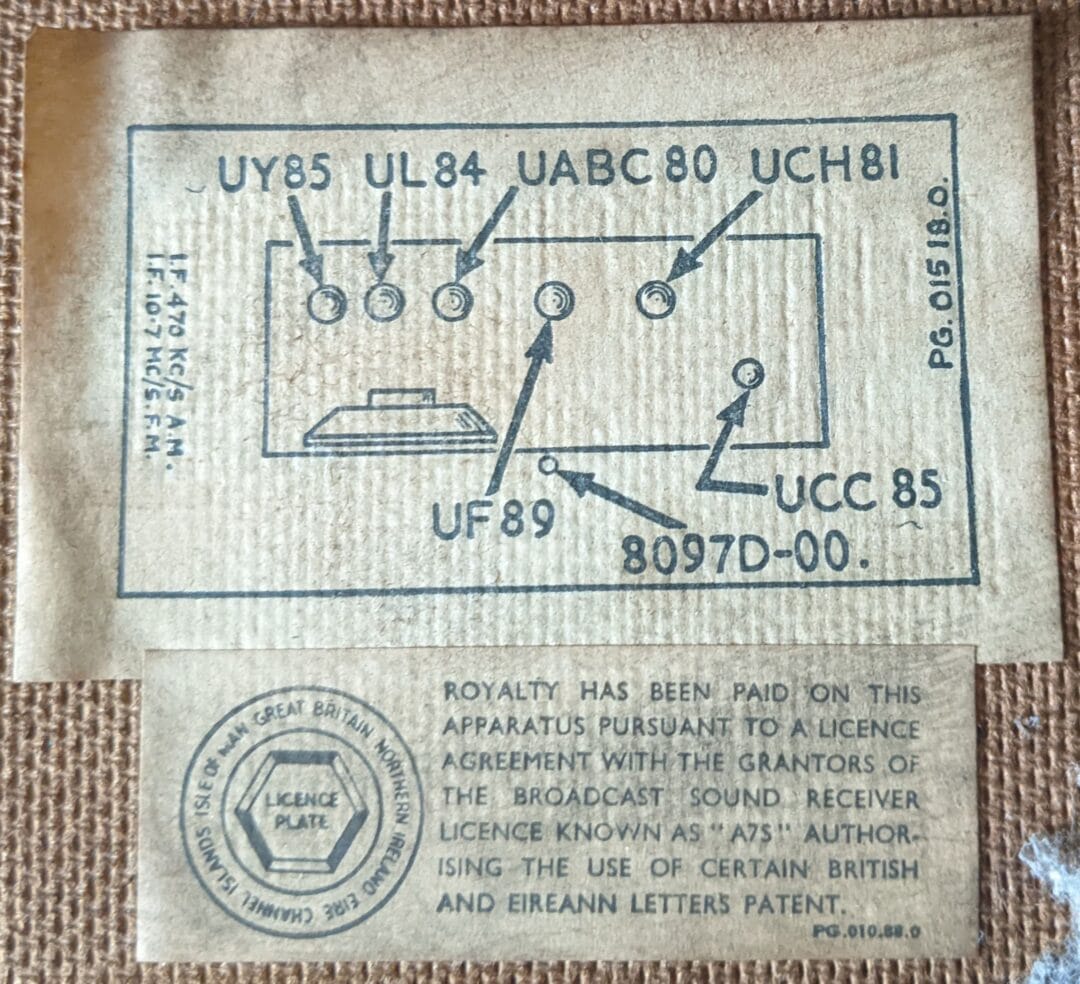
There was a slight mystery regarding its identity as the label on the back identifies it as a B3G 9U, but I found no reference to such a model in any vintage databases; it is almost certainly a B3G99U. There is a faint mark where a second "9" should be, suggesting the ink has simply faded or worn away over the last 70 years.
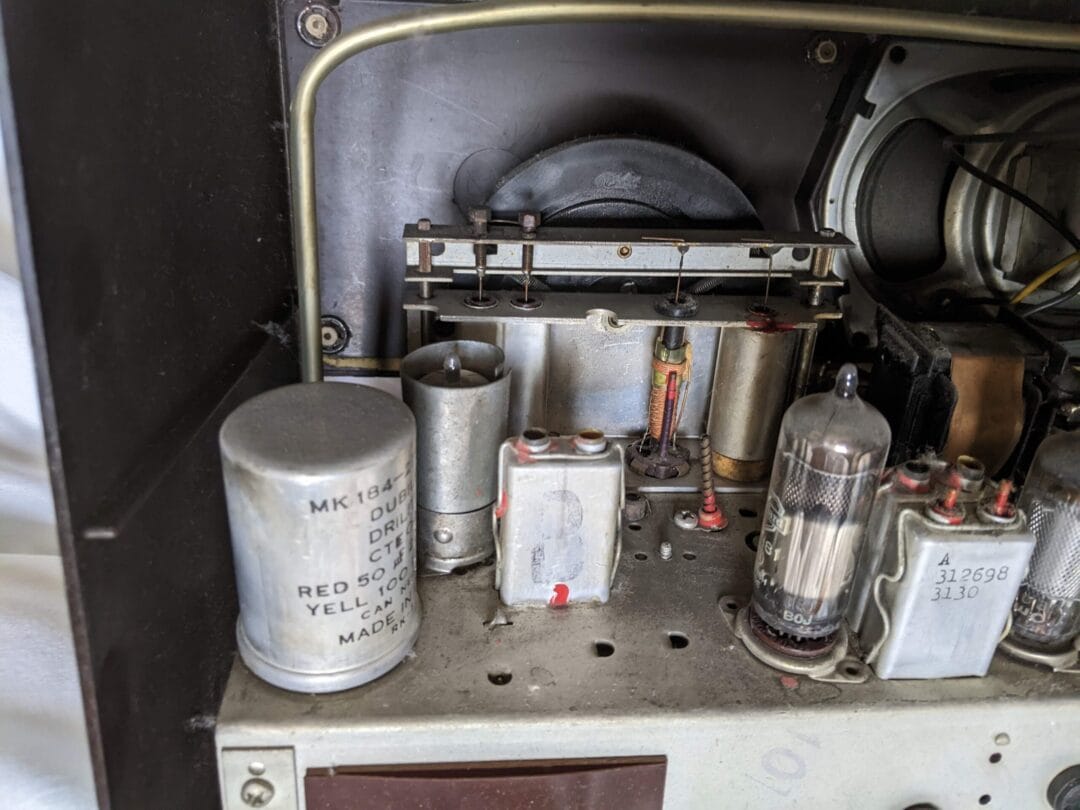
Inside, the radio is a beautiful example of mid-century engineering.
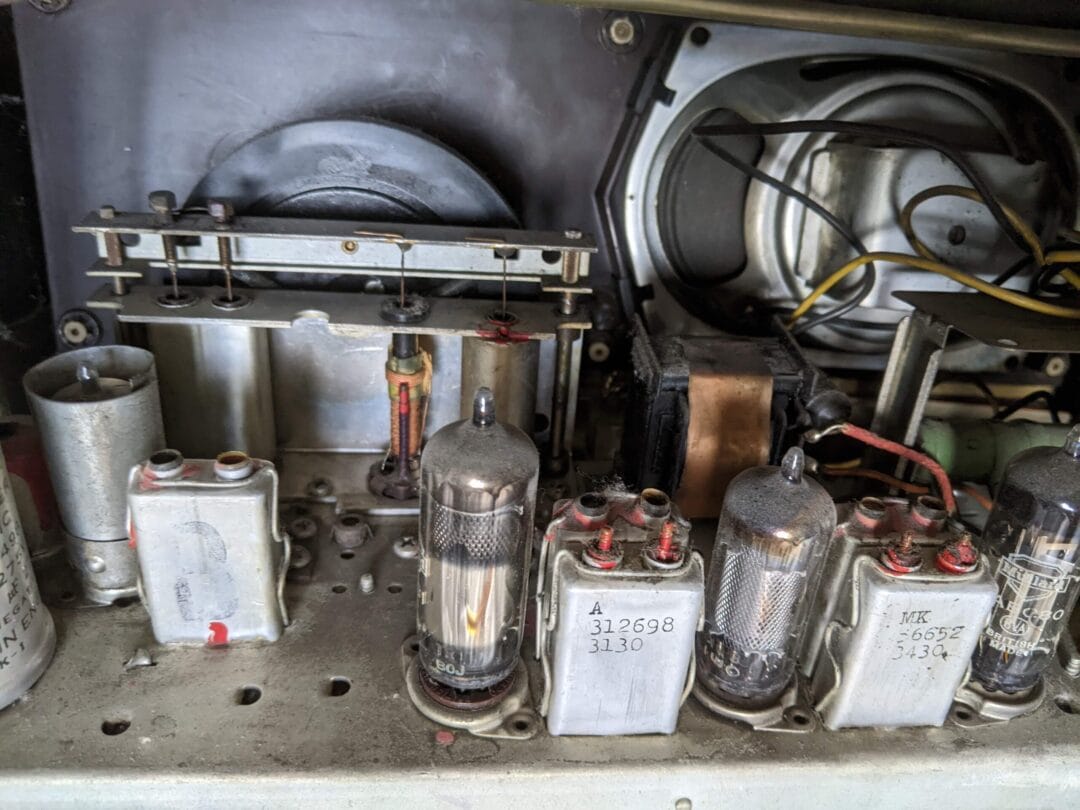
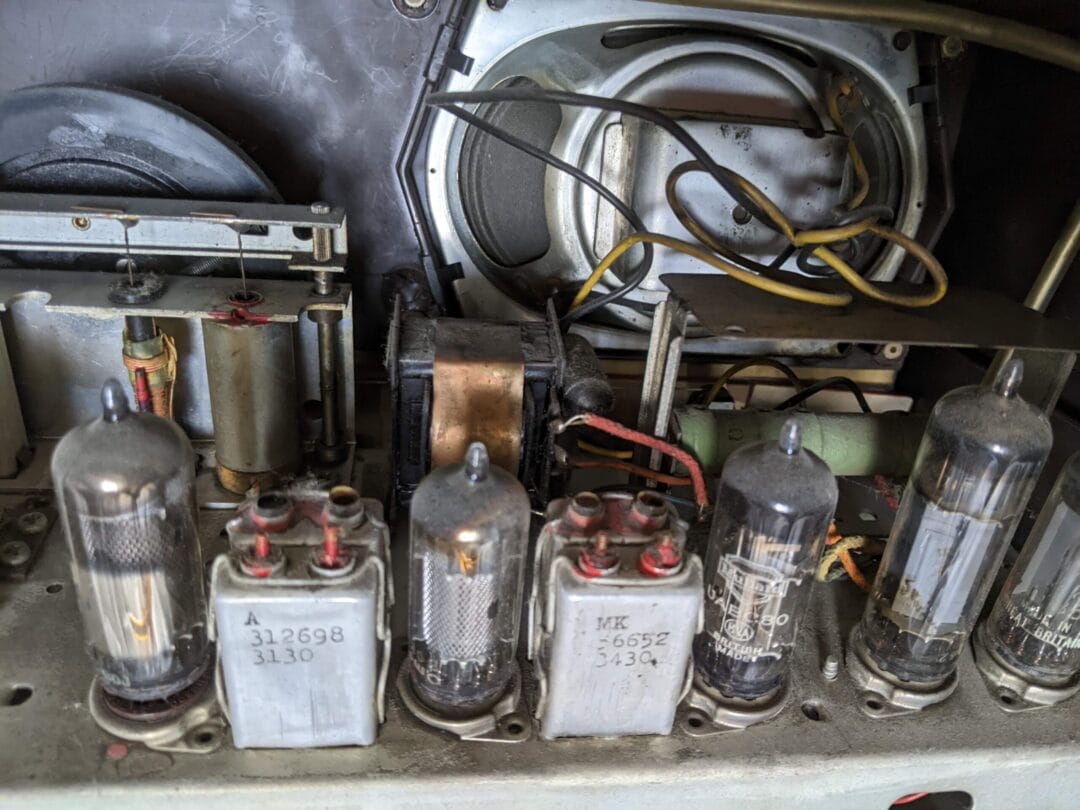
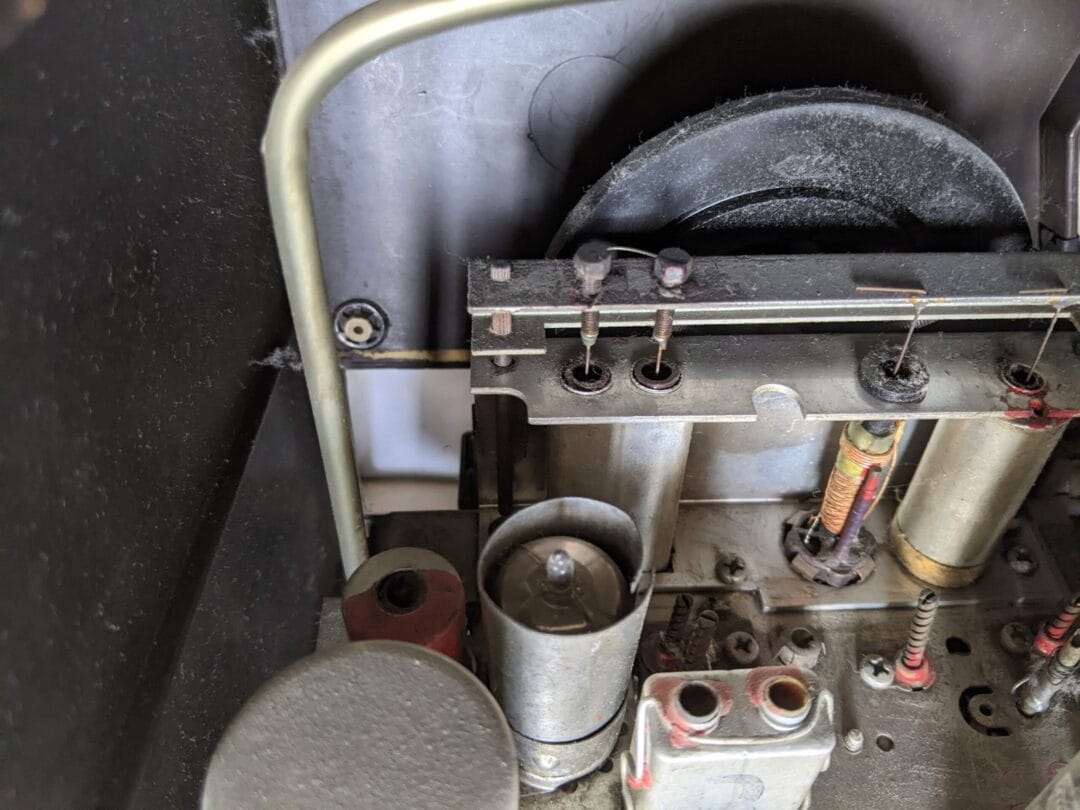
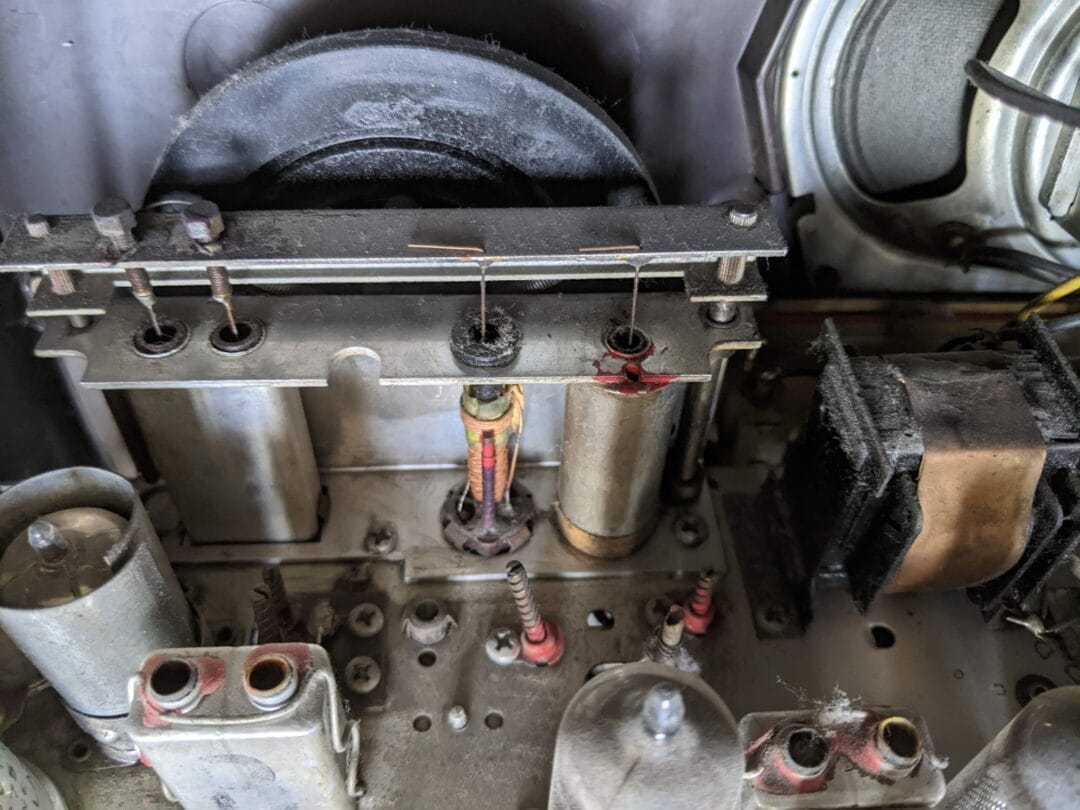
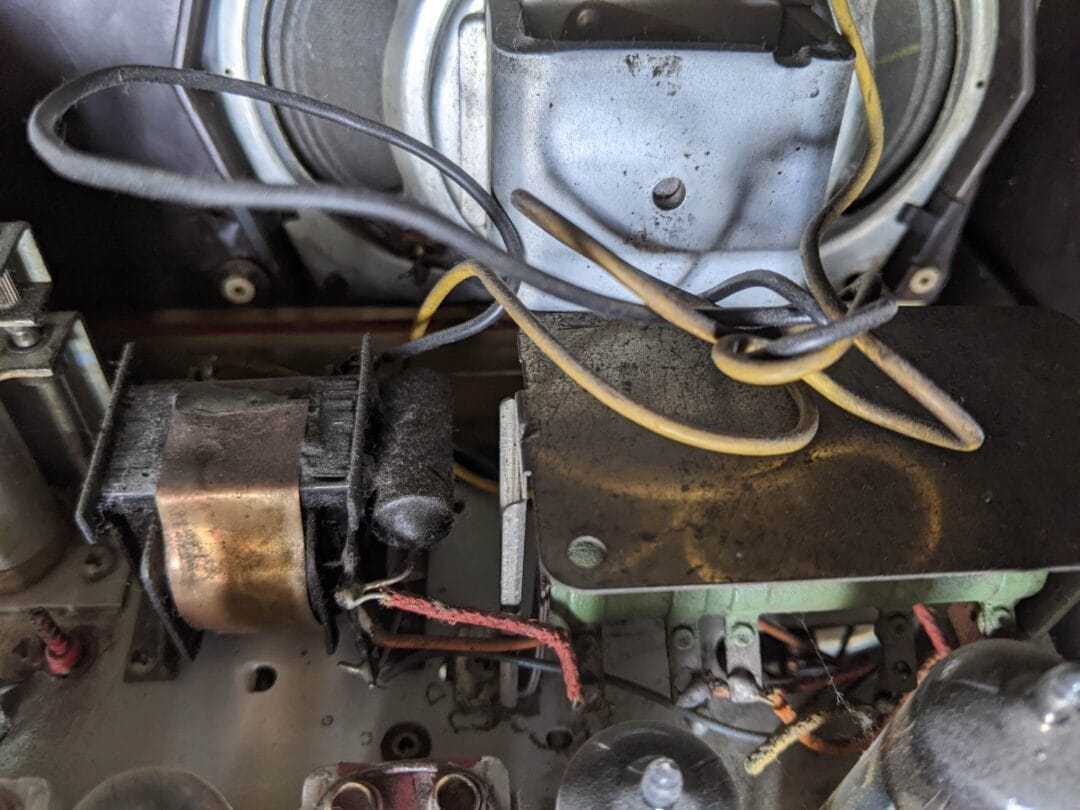
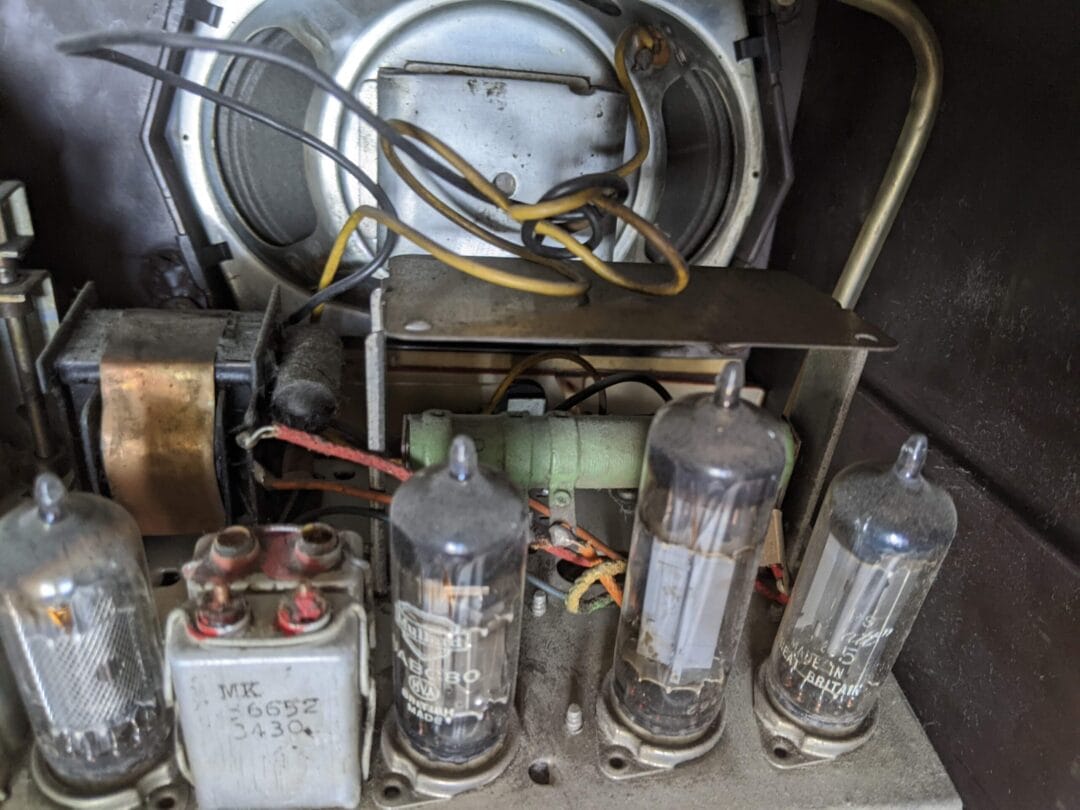
A sticker on the interior of the back cover still clearly displays the valve layout and model numbers, serving as a technical roadmap for the components within.
As much as I’d love to source replacement glass and restore the radio to its former glory, I find myself hesitant. Because it still works, I’m wary of making alterations. To me, a full restoration to "like-new" condition would mean stripping away original components for modern equivalents—and that just doesn’t feel right. For now, I prefer to keep its history, cracks and all, exactly as it is.