
My First Video Recorder
In early 1980, I rented my first video recorder: a Ferguson Videostar 3V00. From recording Tiswas and The Italian Job to mastering its timer, VHS transformed how I watched television and seemed almost magical.

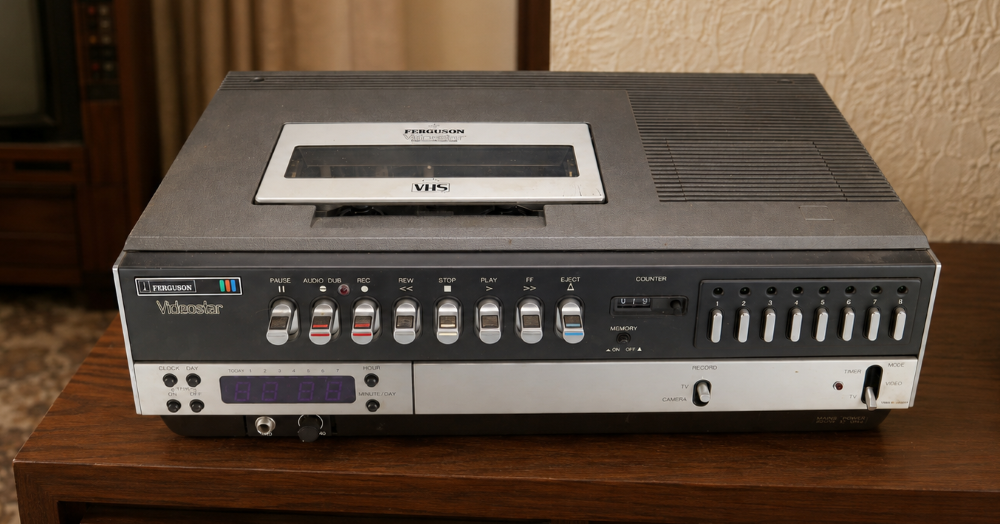
For about a year, I had been buying a technology magazine called Video World every month. I was fascinated by many of the new devices featured in its pages, but one in particular had begun to capture my imagination: the home video recorder.
At the time, I knew very little about video recorders or how they worked. All I really knew was one remarkable promise that appeared in the advertising: you could record one programme while watching another. It sounds perfectly ordinary now, but in 1980 it seemed almost magical. If two programmes were being shown at the same time, you no longer had to choose between them—you could watch one and save the other for later.
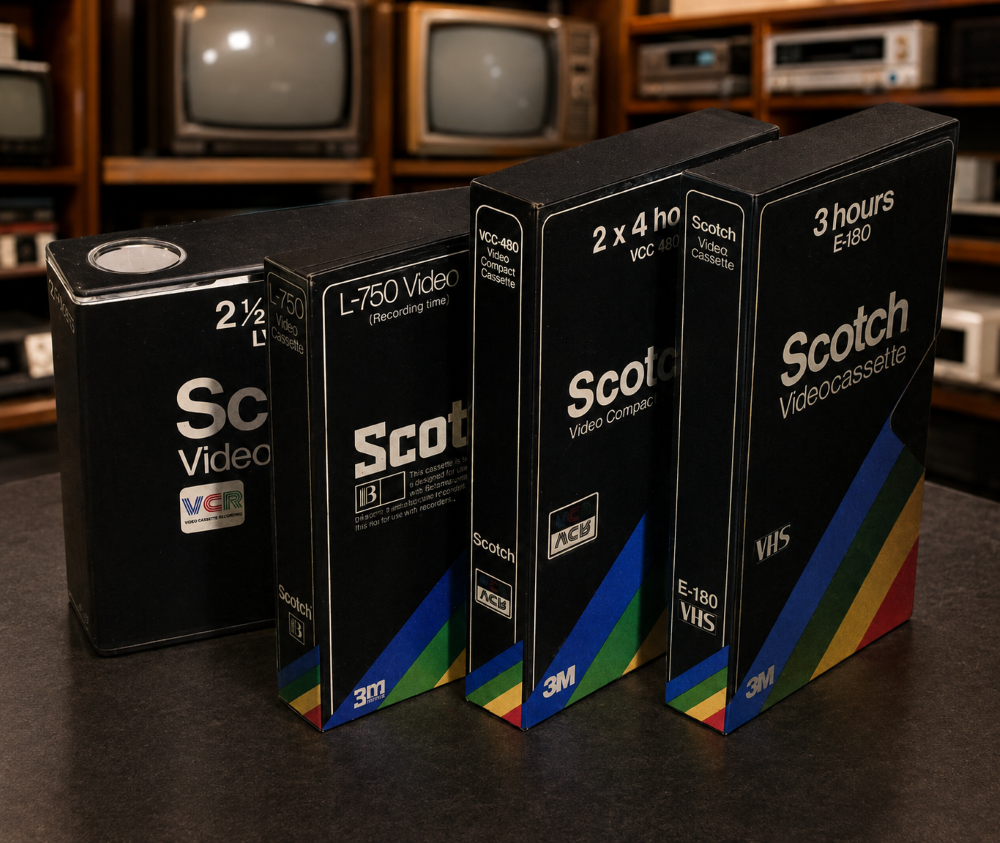
Naturally, I wanted one. Unfortunately, video recorders were still extremely expensive, placing them well beyond anything I could afford to buy. Then it occurred to me that I might not need to buy one at all. Perhaps I could rent one instead.
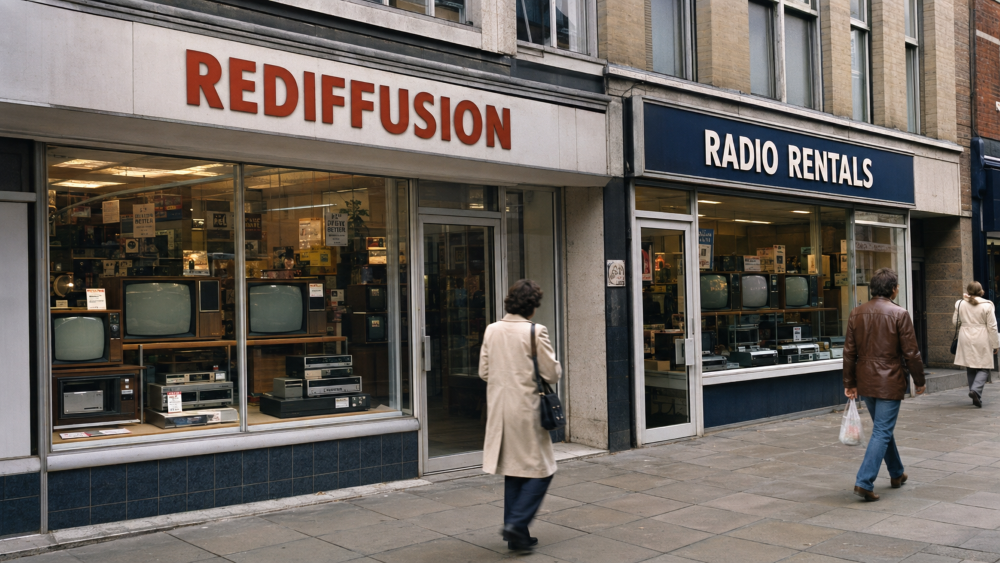
At the time, my mother rented our television from Rediffusion. I asked whether she would consider adding a video recorder to the rental agreement, but understandably, she was not immediately convinced. After plenty of persuasion, I offered to pay for both the video recorder and the television rental myself. That would save her money because she would no longer have to pay for the television.
There was a fair amount of discussion back and forth, but eventually she agreed. We went to our local Rediffusion shop to investigate this fascinating new device that was beginning to find its way into more British homes.
When we arrived at the Rediffusion shop, the only video recorder they had available was a Philips N1500. It was a huge machine with equally enormous cassettes, yet each tape could record only one hour. I was sure that some of the newer machines I had read about could record for considerably longer than that.
The cost of renting the Philips video recorder together with the television was also incredibly high. I came away thinking that perhaps I would not be able to get involved with this exciting new technology after all.
However, we persevered. My mother and I continued around town, visiting other shops that rented televisions, video recorders, washing machines and other household appliances. Eventually, we went into Radio Rentals to see what they could offer.
To my surprise, renting a television and video recorder from Radio Rentals was considerably cheaper. If I remember correctly, the combined rental was only about £16 a month, provided that both machines were rented together. That was an amount I could afford from my wages.
Suddenly, owning—or at least renting—a video recorder seemed possible. The question was no longer whether I could afford one, but which machine I should choose.
Radio Rentals had two video recorders available. One was a large, clunky-looking machine with big mechanical piano-style keys across the front. The other had a much sleeker and more modern appearance, with electronic push-button controls.
Although the sleeker machine was slightly larger, it also seemed to have more buttons and features. To my inexperienced and decidedly untechnical eyes, more buttons surely meant that it had to be the better machine. That was the one I chose.
We signed the rental agreements for the television and video recorder, with both machines due to be delivered the following weekend. In the meantime, I went back through my copies of Video World, trying to identify the machine I had rented and learn more about it. My memory is vague, but I believe it may have been a Sanyo or possibly a Bush. What I had not realised when choosing it was that it used the Betamax format.
On the morning of the delivery, Radio Rentals telephoned to say that the video recorder I had selected was unavailable. They asked whether I would be willing to accept the other machine instead. By that point, I was so excited about finally getting a video recorder that I simply said yes—send whichever one you have.
The machine that arrived was a Ferguson Videostar 3V00 which used the rival VHS format. I had unknowingly chosen Betamax in the shop but, because that particular machine was unavailable, ended up with VHS instead. Considering how the battle between the two formats eventually turned out, I think Radio Rentals may accidentally have given me the better option.
I still remember the excitement when the video recorder was finally delivered. A television arrived with it as part of the rental package, but I remember almost nothing about that—not the make, the model or even the size. The television was very much secondary. It was the Ferguson 3V00 video recorder that I had been waiting for.
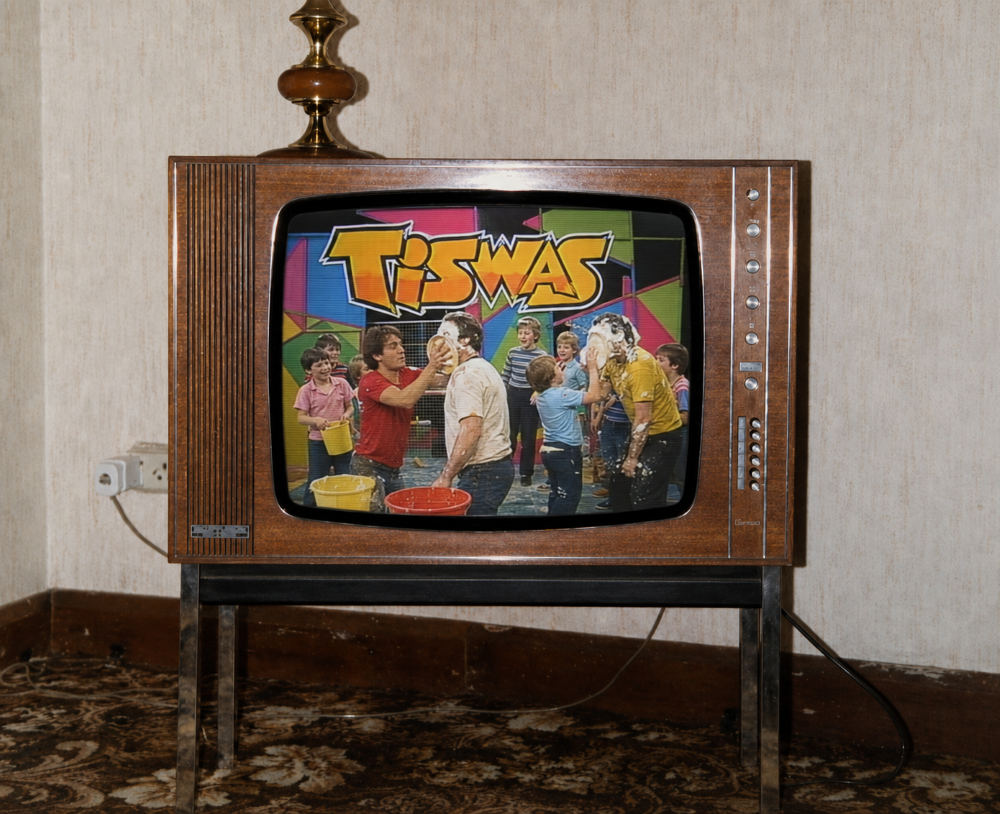
The delivery man offered to unpack everything and set it up for me, but I immediately said no—I wanted to do it myself. My excitement was simply too great to let somebody else have that experience. I wanted to unpack the recorder, connect it to the television and work out how to use it for myself.
After spending some time going through the manuals and setting everything up, I took the blank VHS cassette supplied with the recorder—which I think could hold only one or two hours—and prepared to make my first recording.
My mother and brother gathered around as I tried it for the first time. We were all eager to see how it worked and, in particular, how it could record one programme while we watched another. It seems completely ordinary today, but at the time it felt almost magical.
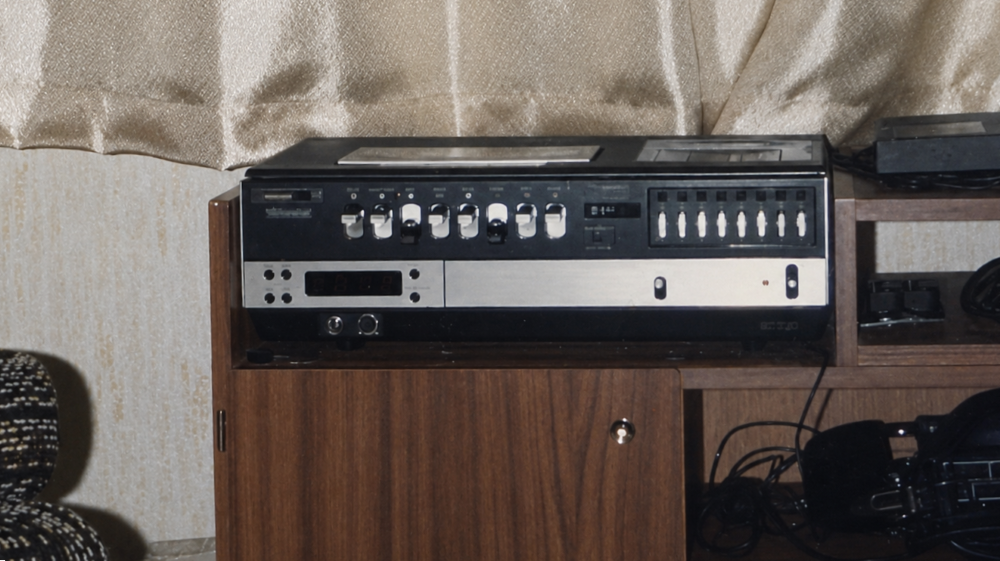
The first programme I ever recorded was Tiswas on ITV that Saturday morning. Later that afternoon, the second thing I recorded was the film The Italian Job. It was the beginning of a completely new way of watching television.
After using the machine for a while, I became quite adept at programming its timer. I could set it to record programmes while I was away from home, as well as record something on one channel while we watched another. Nobody else in the house felt particularly confident operating it, but I soon knew exactly what I was doing.
Video recorders were still such a novelty that people occasionally came to the house simply to see this technological wonder for themselves, particularly if they were considering renting or buying one. I would demonstrate how it worked, showing them how a television programme could be recorded onto a cassette and then played back immediately.
One couple asked me a question I have never forgotten: “Once you’ve recorded a programme onto the tape, do you have to send it away to be developed?”
It sounds amusing today, but in 1980 it was a perfectly understandable question. Most people associated recording moving pictures with 8mm or 16mm cine film, which had to be sent away for processing, just as photographs had to be developed before you could see them. The idea that a television programme could be recorded at home and played back instantly was completely new to many people.
That Ferguson video recorder genuinely seemed like a wondrous piece of technology. For the first time, television no longer disappeared the moment a programme ended. I could preserve something, watch it later and even replay it whenever I wanted. It completely changed my relationship with television.