
R2-D2 Part 1: Base Ring
The base ring was my starting point for the full-size R2-D2 build. Six large printed sections, failed prints, glue problems, reprints, and plenty of lessons learned along the way.

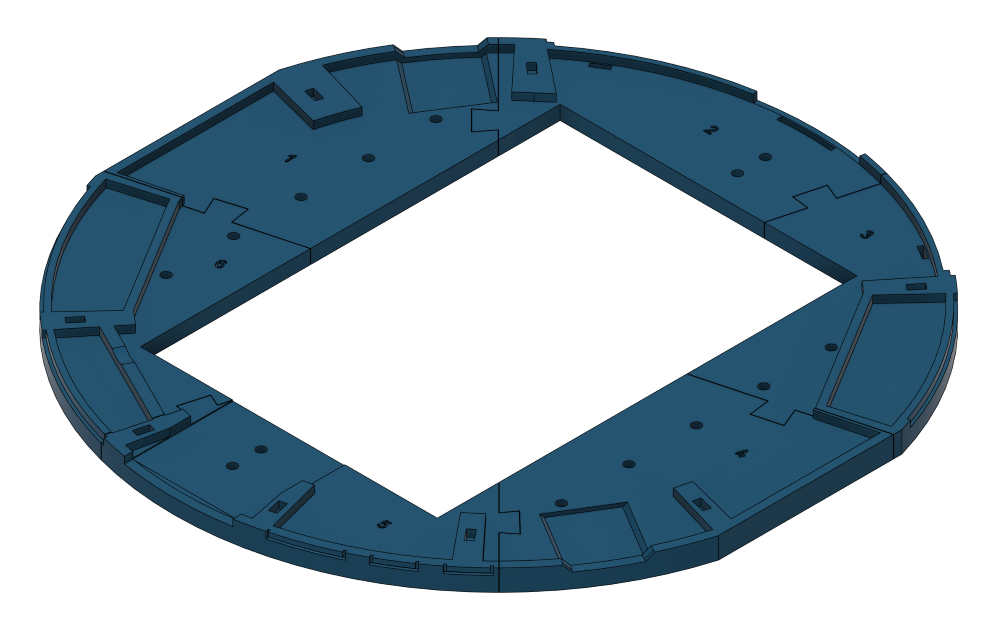
I decided to start my full-size R2-D2 3D print build with the base ring.
The base is made up of six separate sections that slot together using dovetail joints, forming the foundation for everything that will eventually stack on top. The MrBaddeley instructions confirm that all six parts are printed separately and then joined together once you're happy with the fit.
Each section prints flat on the bed, with no supports or overhangs required, which makes them fairly straightforward parts to produce. Overall, the prints came out well, although they weren't completely without problems.
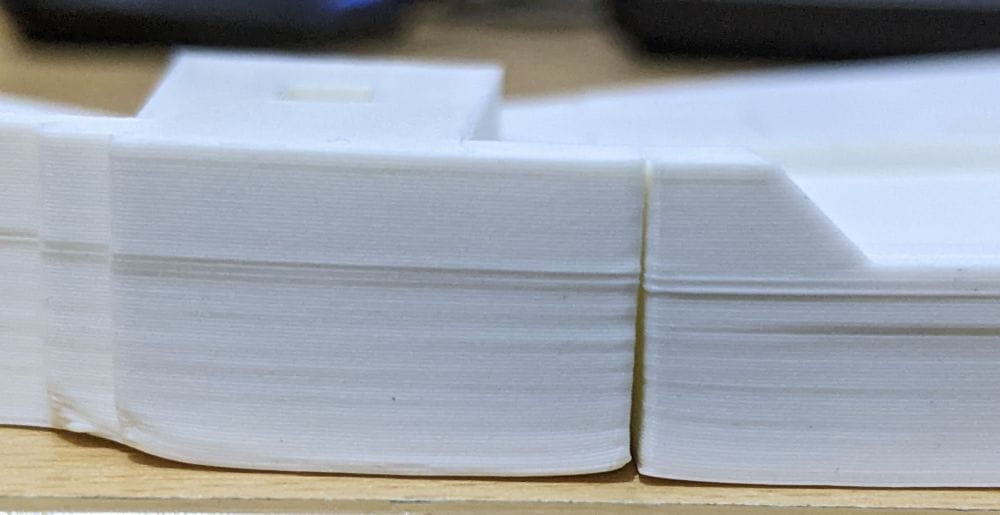
There were some slight imperfections in the prints, so I'll probably need to use a little filler when it comes to finishing the joints and getting everything looking clean.
I also had one failed print fairly early on when one of the sections didn't stick properly to the print bed and failed partway through.
As it turned out, the problem was simply that I hadn't cleaned the print bed properly. It was a fairly basic mistake, but it was a good reminder of just how important first-layer adhesion is, particularly when you're printing large parts.
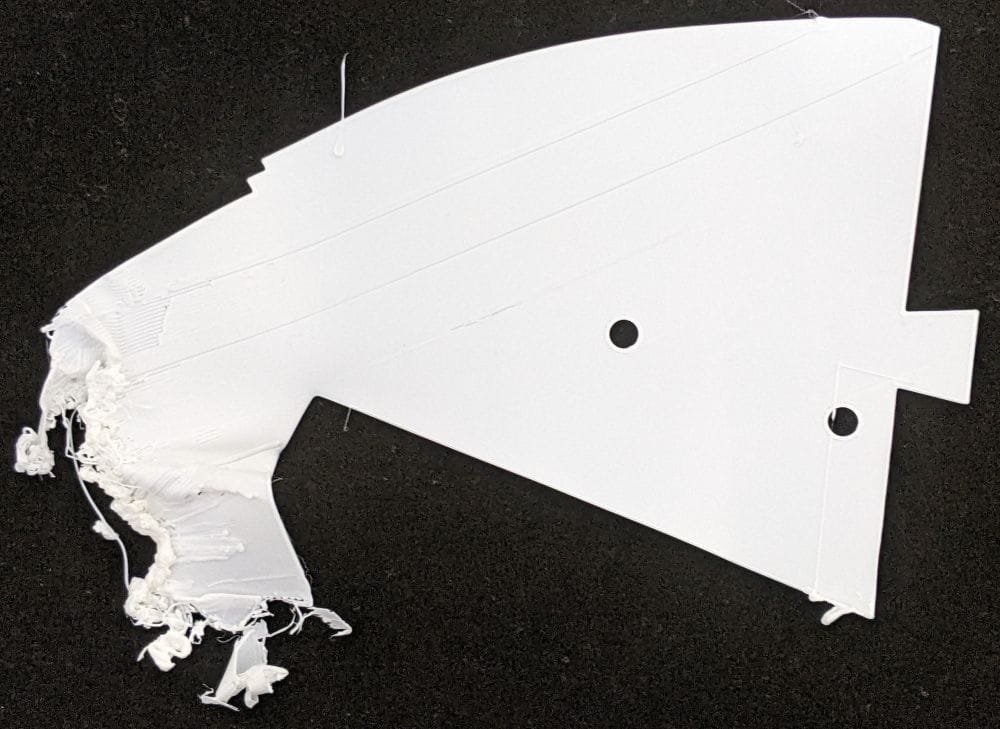
After that, I started cleaning the print bed with washing-up liquid every few prints. That small change made a surprisingly noticeable difference, and the remaining sections printed without any further problems.
Once all six pieces were finished, I could finally dry-fit the complete base ring together.
At this point, nothing was glued. I simply slotted the sections together to see how everything fitted and to get my first proper look at the size of the assembly. The dovetail joints made it possible to check everything before committing to glue, which is exactly what the original instructions recommend.
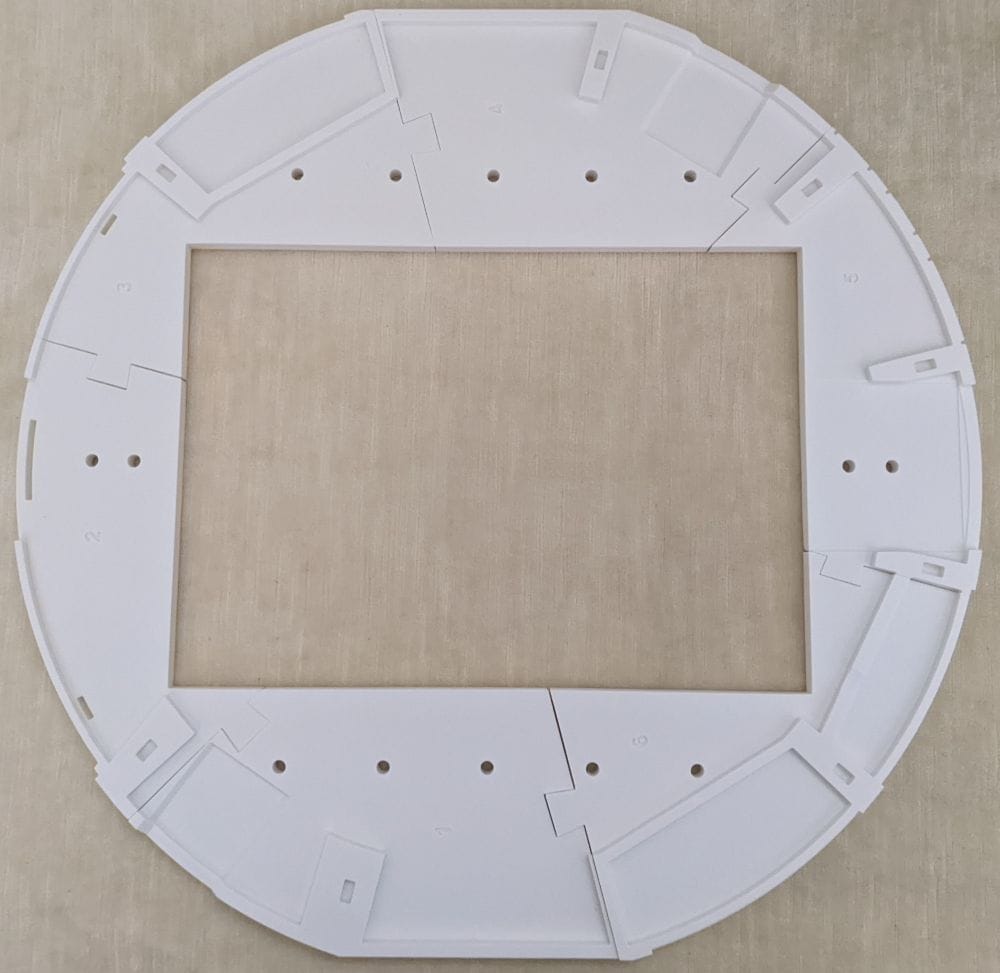
Even at this early stage, the size of the project really started to sink in.
It's one thing to look at individual 3D-printed parts sitting on a desk, but once they're joined together into something approaching the size of the actual droid, it suddenly feels like a much bigger project.
And this is only the base.
It was already easy to start imagining how imposing the finished R2-D2 is going to look once the rest of the body is stacked on top.
Gluing the Base Ring
Once I was happy that all six sections fitted together properly, I moved on to gluing the base ring.
The original MrBaddeley instructions recommend checking and sanding the dovetail joints if necessary before gluing.
On previous builds, I'd normally used Gorilla Glue Gorilla Super Glue XL, but I found that it cured a little too quickly for something this large.
With bigger parts like these, you need enough time to get everything lined up properly before the adhesive grabs. For this build, I decided to try Gorilla Glue Gorilla Epoxy instead.
The slower curing time seemed like it would be a much better option. It should give me enough working time to position the sections correctly and make any adjustments before everything set solid.
I also picked up a set of small modelling clamps to help hold the sections together while the epoxy cured.
The plan was simple enough: use a small amount of epoxy on each joint and work my way around the ring section by section.
Unfortunately, it didn't quite go as smoothly as I'd hoped.
The epoxy problem
I found the epoxy syringes surprisingly awkward to control.
I'd press the plunger expecting a small amount of adhesive, only for the epoxy to keep flowing afterwards and leave me with much more than I actually needed.
Compared with the super glue I'd used previously, the whole process felt much messier. Excess epoxy would squeeze out of the joints, leaving more clean-up than I'd expected.
At the time, it mostly seemed like an annoying inconvenience.
As the assembly progressed, though, it ended up causing a few more problems.
The first two sections — MB-Base Ring 1 and MB-Base Ring 2 — actually went together reasonably well. There was quite a bit of excess epoxy around the joints, but nothing that couldn't be cleaned up once everything had cured.
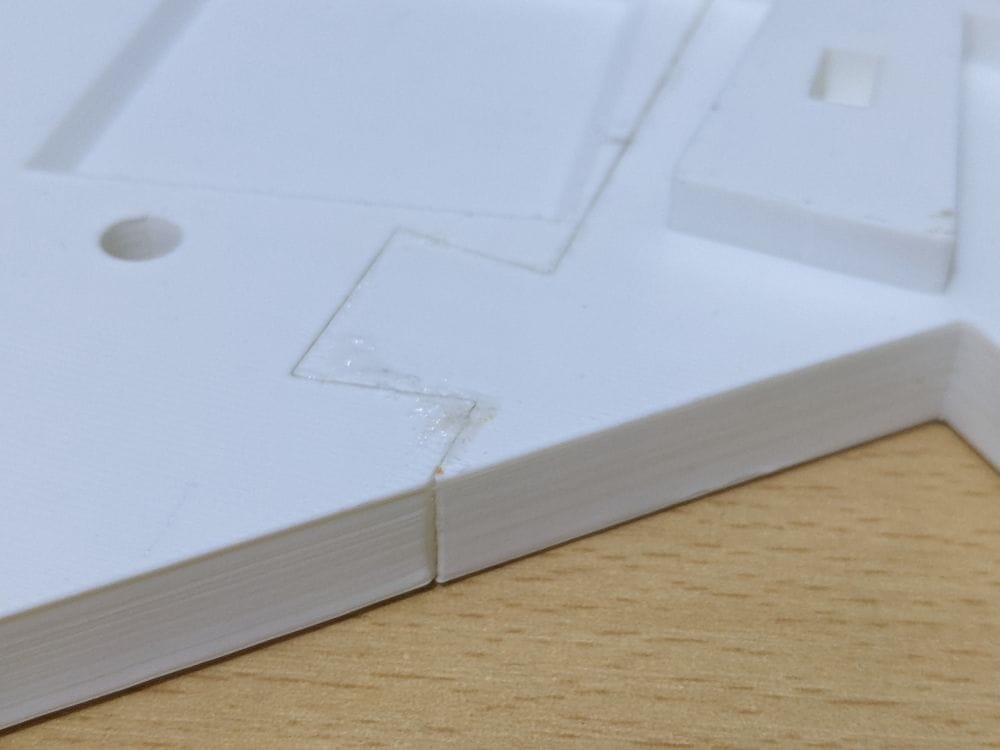
The real problems started when I added MB-Base Ring 3.
After applying the epoxy and clamping everything into place, I set the assembly aside to cure.
At first, everything looked fine.
When I checked it later, however, I realised that MB-Base Ring 3 had shifted slightly while curing. It was no longer properly aligned with the other sections.
The longer curing time that I'd originally thought would be an advantage had actually worked against me. Because the epoxy remained workable for longer, the weight and tension in the large printed sections had enough time to slowly pull the part out of alignment before everything hardened.
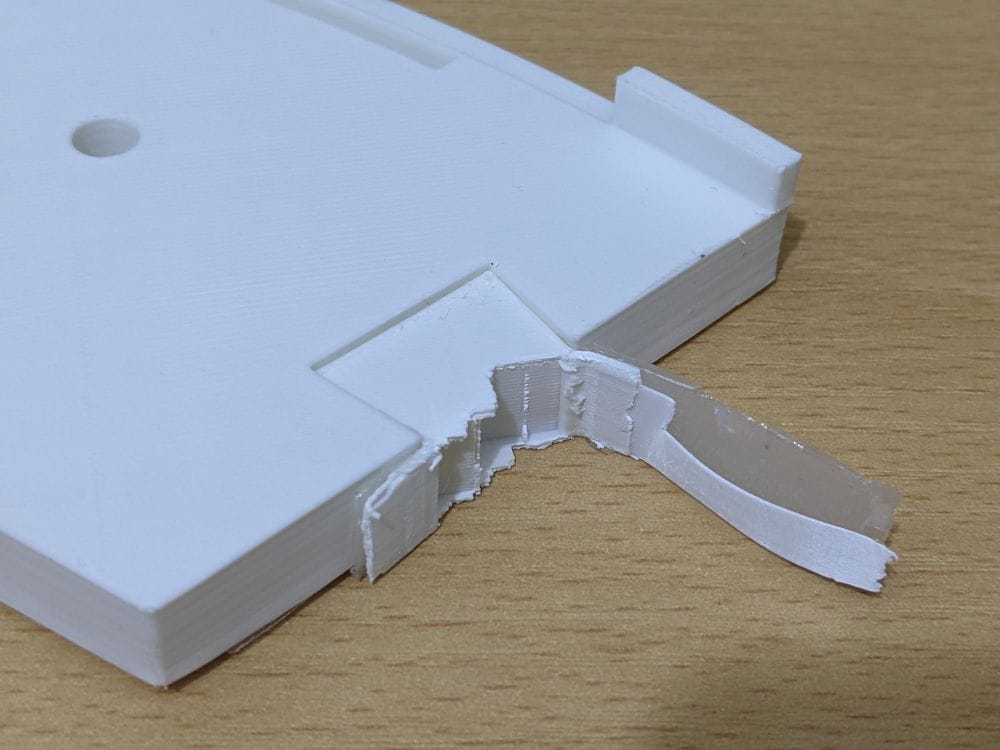
I initially thought I might be able to carefully break MB-Base Ring 3 back off, clean up the mating surfaces and simply try again.
Surprisingly, the epoxy separated much more easily than I expected.
Looking back, that probably should have been another warning sign about how well the joint had actually bonded.
Rather than risk having alignment problems or weakened joints later in the build, I decided the safest option was to reprint all three sections and start again.
Unfortunately, that wasn't the end of the problems.
Another Failed Print
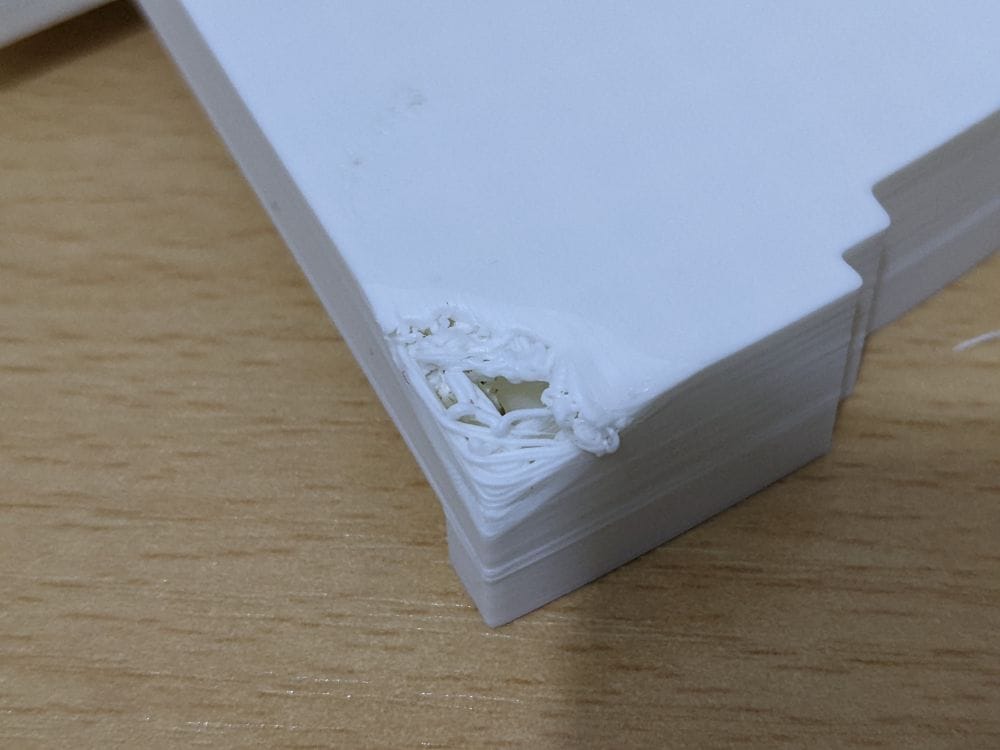
The replacement print didn't come out particularly well either.
There was noticeable lifting and poor-quality edges around some of the corners. It was similar to the curling I'd seen earlier, only worse this time.
Rather than keep repeating the same process and hoping for a better result, I decided to change the way I was printing the parts.
For the next attempt, I added a brim to improve bed adhesion and help stop the larger flat sections from lifting during the print.
That made a noticeable difference.
The corners came out much cleaner and, more importantly, stayed firmly attached to the bed throughout the print.
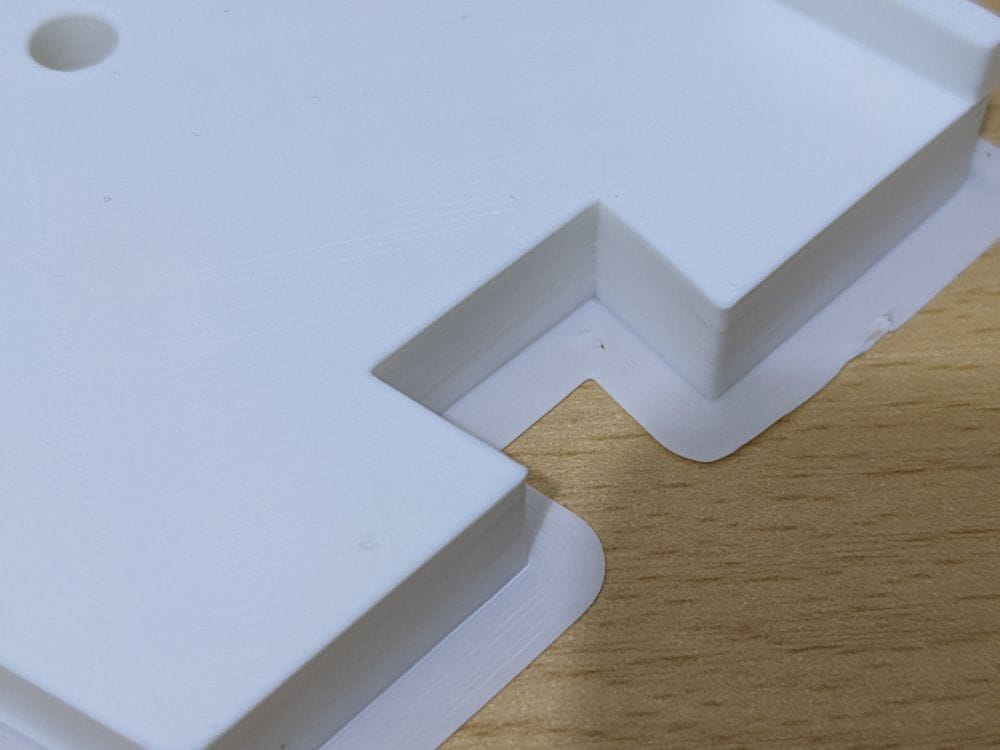
It's a small change, but it's one I'll definitely be keeping in mind for the larger parts later in the build.
Changing the Glue
After all the problems with the epoxy, I decided to abandon it altogether for this part of the build.
The longer curing time sounded like a good idea in theory, but in practice it was making alignment more difficult, creating a lot of mess and generally slowing the assembly down.
I started looking for another adhesive and eventually settled on Bob Smith Industries BSI Maxi-Cure.
The difference was almost immediate.
Compared with the epoxy, it was much easier to work with. The thicker consistency meant it stayed where I put it instead of flowing everywhere, and I only needed a few drops along each joint.
Holding the sections together for around 25 seconds was enough to get a solid bond while still giving me enough time to make sure everything was lined up correctly.
It made the whole process much cleaner and quicker.
Once I'd changed over to the new glue, the assembly became much less frustrating.
Section by section, the base ring finally started coming together properly.
Before long, all six sections were glued and I had a completed base ring.
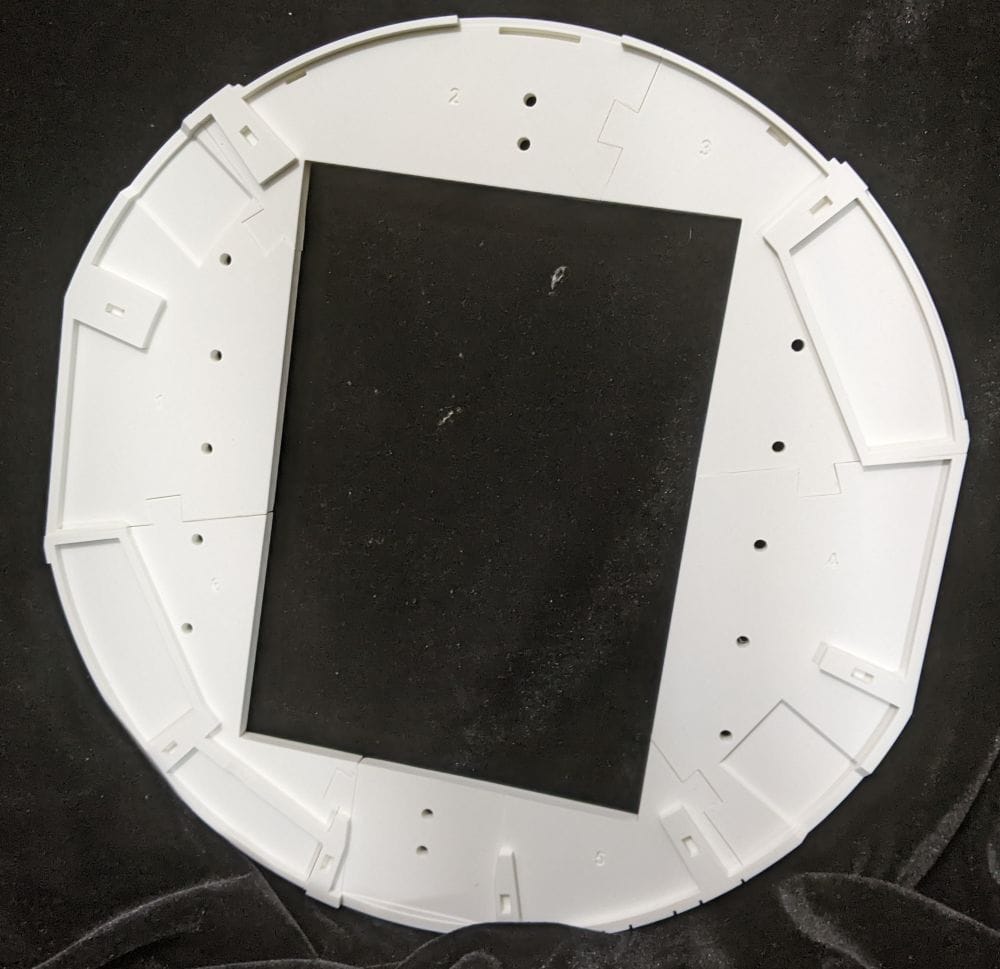
What I Learned From the Base Ring
Although the base ring seemed like a fairly straightforward place to start, it turned out to be a really useful learning experience for the rest of the build.
The biggest lesson was just how important bed adhesion is with larger 3D prints.
Something as simple as regularly cleaning the print bed with washing-up liquid made a noticeable difference to the reliability of the prints and helped prevent failed first layers and corner lifting.
I also learned that the "best" glue isn't necessarily the best glue for every situation.
The Mr Baddeley instructions recommend epoxy for PLA because of concerns about CA glue potentially splitting if the model is knocked or stressed.
In my case, though, I found the opposite during this particular stage of the build. The epoxy gave me plenty of working time, but that longer curing period made it harder to keep the large sections aligned. The thicker cyanoacrylate glue ended up being much easier for me to control and produced a quicker, cleaner assembly.
Adding a brim to the larger parts was another lesson worth remembering.
It added a little extra clean up afterwards, but the improvement in print stability was easily worth the effort.
Most importantly, the base ring gave me a much better idea of how this entire R2-D2 build is likely to go.
Even this early in the project, it's already clear that patience, preparation and a willingness to solve problems are going to be just as important as the actual 3D printing.
And I've got a feeling I'm going to be learning quite a lot more before this droid is finished.